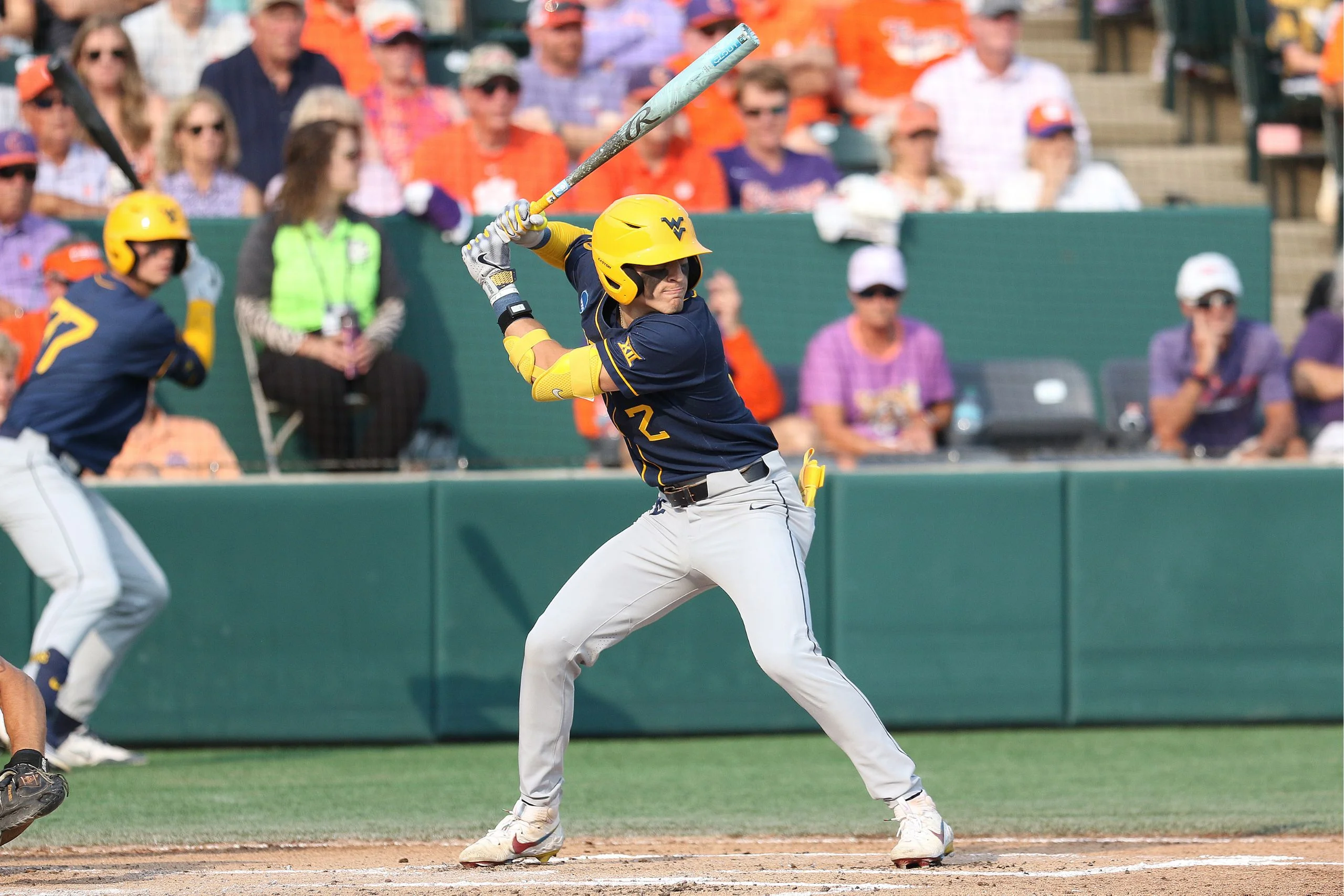
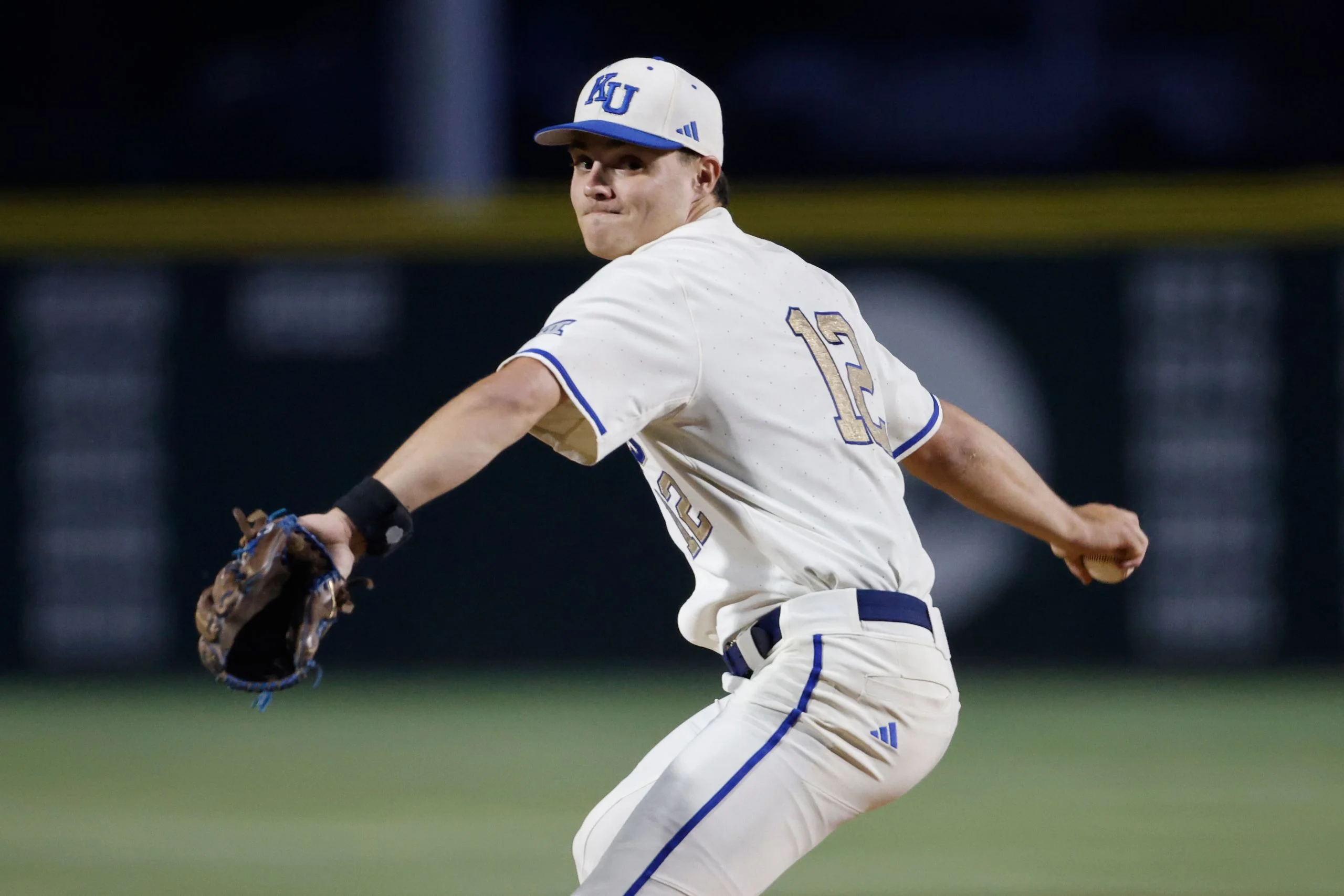
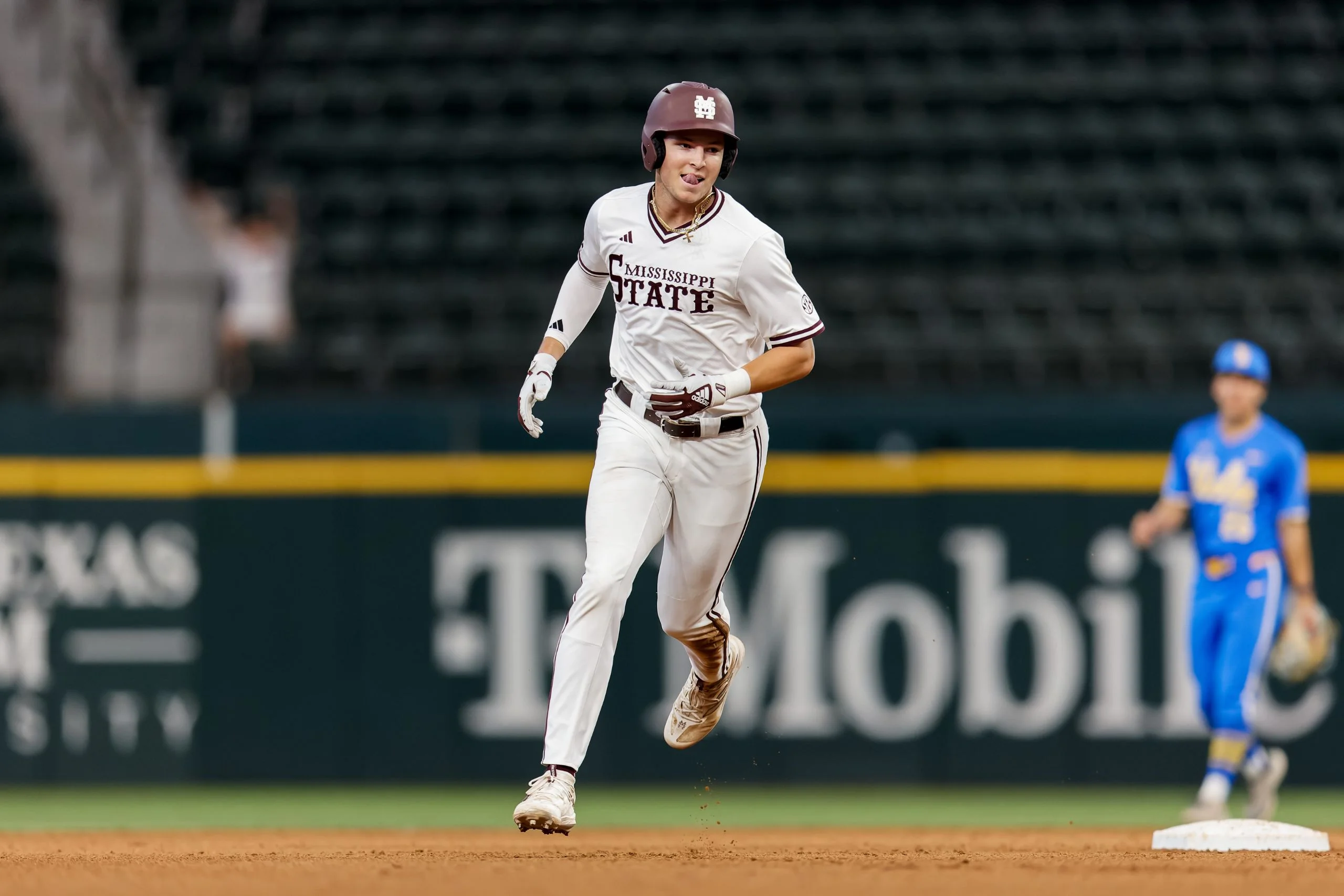
With the MLB Draft looming just six weeks away, Baseball America's latest rankings update provides a clear snapshot of the evolving talent pool for 2026, highlighting both performance trends and player trajectories that could dictate draft strategies. What's particularly striking about this update is not just the players that moved up or down the list, but how the dynamics within the class reflect broader trends in scouting and player development.
Understanding the Rankings: A Shift in Talent Perception
The recent update has notably shifted the landscape, but predominantly within established tiers rather than reshuffling the elite prospects drastically. The overall evaluation process is becoming more nuanced, with most adjustments focused on recognizing performance changes instead of radical re-rankings. For industry professionals, this underscores a pivotal moment: we're experiencing a maturation in player assessment that aligns with in-season performance rather than off-season potential.
Three players within the first-round scope showcased significant fluctuations, reflecting how performance under pressure impacts rankings. Tyler Bell, a shortstop from Kentucky, has jumped ten spots from No. 21 to No. 11, thanks largely to an impressive offensive showing with a .352/.517/.602 batting line thus far. His ascent is a testament to the critical role that hitting proficiency plays in draft projections.
Conversely, UCLA right-hander Logan Reddemann fell 16 spots from No. 15 to No. 31, primarily due to recent arm fatigue that halted his performance. This flip-flop serves as a reminder of how quickly the fortunes of pitchers can change based on health—a vital factor that teams must weigh heavily in their evaluations.
New Faces and Rising Stars
In addition to the established players making waves, seven newcomers have entered the top 100, with some demonstrating tangible skills that suggest significant upsides. Ole Miss right-hander Taylor Rabe has made headlines for averaging over 96 mph with his fastball, pairing that with an impressive strikeout-to-walk ratio—advantages sure to attract attention from scouts. Players like North Carolina’s Owen Hull, who excelled in ACC play with a batting average over .400, are also climbing the ranks, emphasizing the weight that conference performance carries in evaluation.
It's telling that among those ascending players, NC State's Jacob Dudan and Ryan Marohn, both dealing with injury concerns, have seen mild upward movement. While Dudan is sidelined indefinitely due to Tommy John surgery, his past performances have left an impression, indicating teams might be willing to invest despite current health issues. This speaks to the depth of talent and belief in the long-term potential, which is becoming a more common perspective as teams pivot towards scouting for future benefits rather than immediate returns.
Analyzing the Draft Class's Dynamics
The draft dynamics this year seem heavily influenced by the influx of high-profile hitters and the depth of college pitchers. The recent addition of "helium" players—those unexpectedly surging up the rankings—illustrates a burgeoning group of prospects, notably comprised of capable, versatile players. Among these additions are Eric Segura of Oregon State and Rylan Lujo of Georgia, whose experiences reflect the growing emphasis on a well-rounded skill set that scouts increasingly prioritize.
The top 100 rankings saw an influx of premium profile hitters—crucial for teams seeking to solidify their batting lineups in years to come. The proliferation of both high school and collegiate power hitters signals a strategic pivot in preparing for the potential volatility of professional play, with organizations keen to capitalize on high-impact offensive talent. This is not merely about adding names to a list; it's about anticipating how these prospects might fit within various team frameworks.
Implications for Draft Strategy
For front offices and scouts, the trends emerging from this rankings update are important to absorb. The narrative surrounding Tegan Kuhns, who has maintained a steady climb and exemplifies how strong performances can elevate a player's stock, suggests that organizations should prioritize consistency and performance above raw potential metrics. As teams continue to refine their scouting strategies, the importance of performance evaluation will only increase, leading to more informed decisions.
Moreover, the fluctuations in rankings are indicative of the broader uncertainties in player evaluations, which underscores the need for agility in draft philosophies. With some players facing injury concerns while others break out unexpectedly, teams may want to adopt a versatile approach—balancing risk with potential reward. Keeping a close eye on collegiate players who might not yet have fully matured but exhibit unrealized potential could yield strong returns in the near future.
Conclusion: A Complex Path Ahead
The 2026 MLB Draft promises to be an exciting affair, with the complexities of player evaluations at the forefront. As the rankings continue to evolve, professionals in the industry must remain vigilant, adapting strategies to capitalize on both established talent and emerging potential. The decisions made in the upcoming draft will resonate for years, highlighting the intricate relationship between player development and team strategy—a narrative that's only just beginning to unfold.