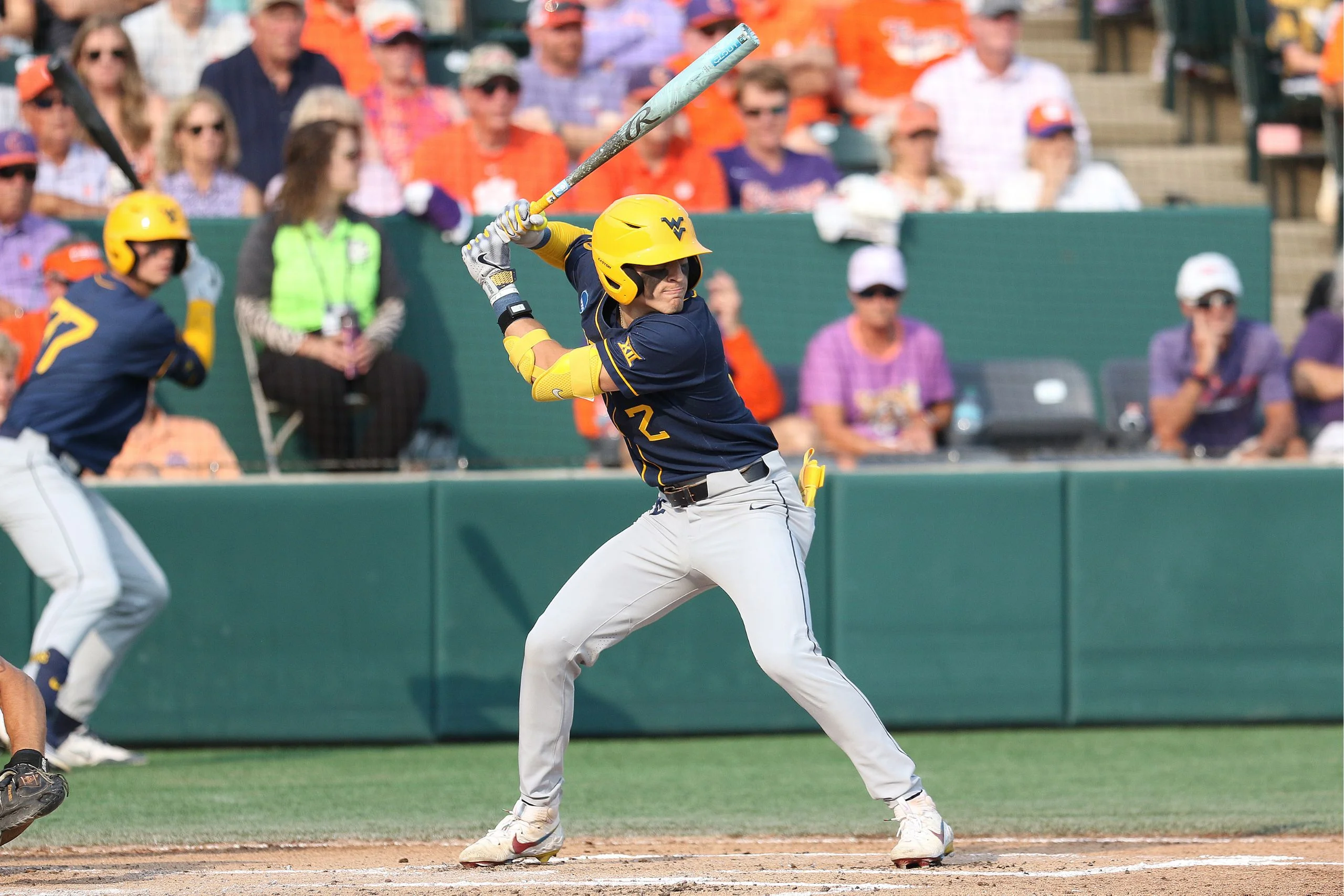
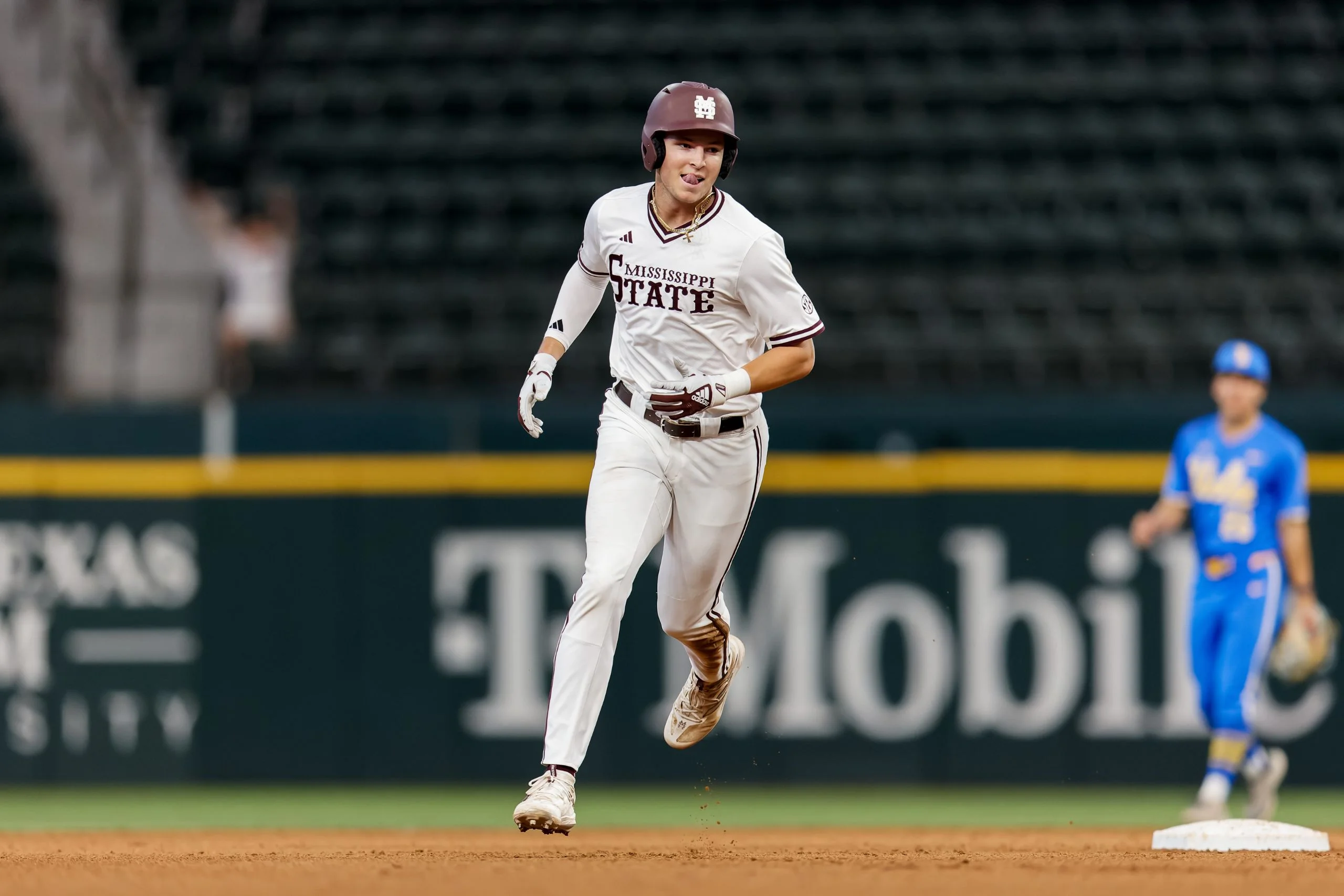
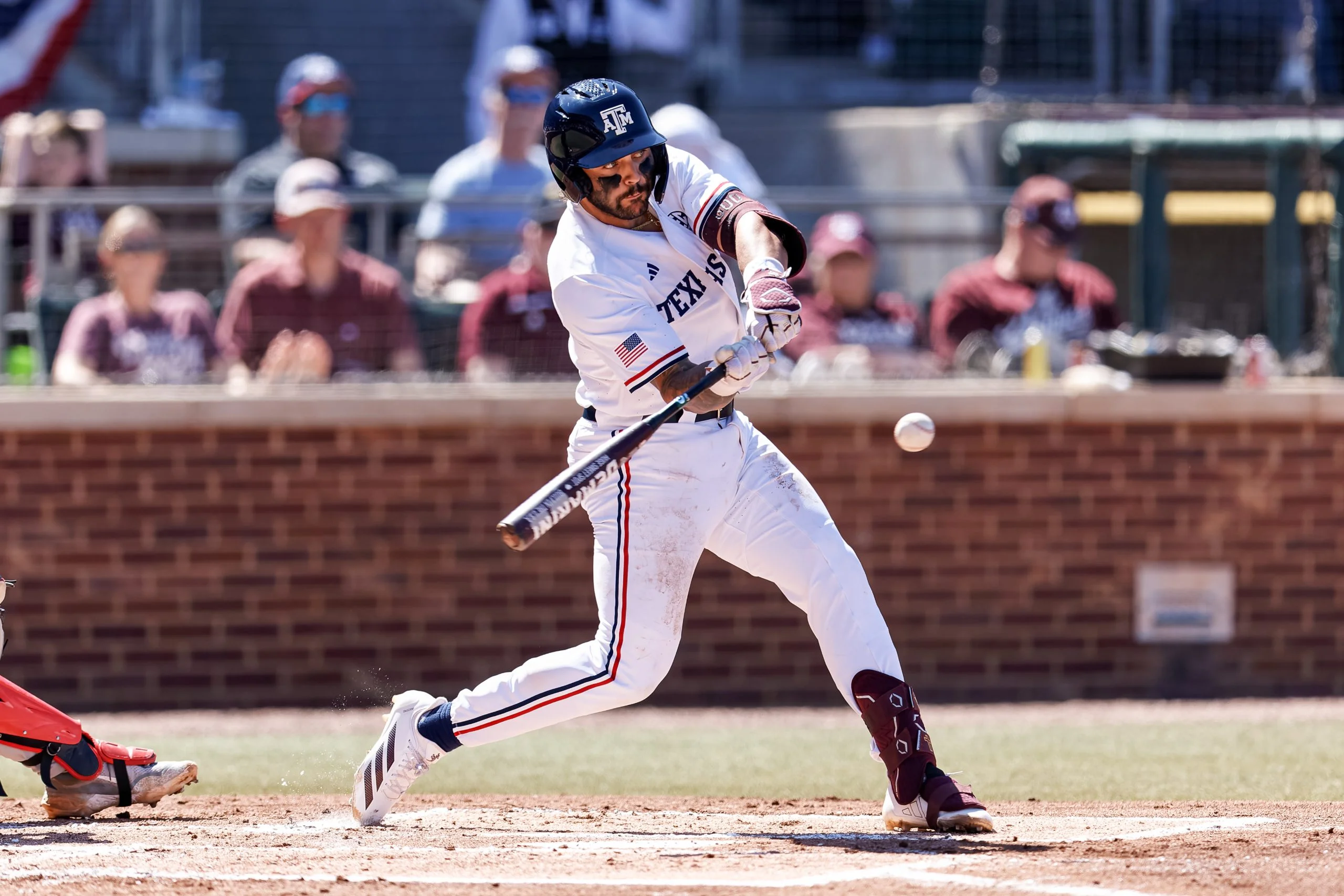
The 2026 NCAA baseball tournament is poised to kick off a significant chapter for college baseball with its introduction to the Lawrence Regional. Beyond simply being a host, the Kansas Jayhawks’ unprecedented home-field advantage this year offers a revealing insight into the shifting dynamics of collegiate athletics, particularly as programs aim for championships against the rising tide of competition. This regional showcases not just the contenders but also the intricacies of team strengths and weaknesses that may dictate postseason success.
The Kansas Jayhawks: From Underdogs to Contenders
Kansas is stepping into uncharted waters, hosting its first-ever NCAA tournament regional. What makes this notable isn't just the historical importance but the team's capabilities. Ranked 16th nationally in home runs, the Jayhawks boast a powerhouse offense led by players like Tyson LeBlanc and Josh Dykhoff. Their experience combined with explosiveness puts them on the radar as potential dark horses in the tournament, with a capable lineup that can capitalize on defensive lapses. However, the question of pitching remains critical. While the Jayhawks’ staff has shown flashes of brilliance, consistency in run prevention against top-tier offenses will be crucial. How they respond under pressure is key: if they can minimize damage in high-stakes moments, they might just upset higher-seeded teams.
The Razorbacks: A Formidable Threat
Arkansas enters the regional as a formidable second seed. Their amalgamation of raw power and high-end pitching talent disrupts conventional expectations. Batting can be hit-or-miss, frequently leaning on home runs, which risks reliance on a single strategy. However, when players like Ryder Helfrick and Camden Kozeal find their rhythm, the Razorbacks are a nightmare for opposing teams. Their pitching lineup, featuring Hunter Dietz, is enhanced by a bullpen that has sharpened over the course of the season. With an average fastball velocity over 93 mph and a strikeout rate placing them in the top 20 nationally, Arkansas has the making of a team that can perhaps surprise everyone and advance deep into the tournament.
Missouri State: High Offense, Low Trust
Missouri State occupies the third seed and provides a stark contrast to both Kansas and Arkansas with its explosive offensive capabilities. Ranking 22nd nationally in runs per game reflects their ability to engage in high-scoring affairs, yet the pitching vulnerability cannot be overlooked. With a 6.08 ERA and struggles in FIP, trusting their bullpen over an entire regional is a leap of faith. When facing opponents that can unleash offensive fury, Missouri State's weaknesses might be exposed, making them a risky pick for advancement.
Northeastern: The Underdog with Potential
The Northeastern Huskies represent the fourth seed and come equipped with some reliable arms. Luc Rising has been a consistent performer, but the rest of the bullpen needs to deliver against potent offensive teams. The challenge lies within their lineup, which lacks depth beyond players like Harrison Feinberg. While they possess enough pitching to potentially disrupt plans for higher seeds, their ability to sustain offensive performance against robust competition is uncertain.
The Implications of Competition: Rethinking Championship Dynamics
This Lawrence Regional isn't just a battle for baseball supremacy; it’s also a microcosm of a broader trend in collegiate sports where the lines are blurring between established powerhouses and emerging threats. Each team's ability to adapt to pressure, capitalize on scoring opportunities, and manage their pitching staff could be reflective of a larger re-evaluation of successful strategies in high-stakes scenarios. With every matchup sporting unique strengths and vulnerabilities, the outcomes could redefine perceptions of who the real contenders are in college baseball.
The dynamics of the 2026 NCAA baseball tournament are telling of what’s to come not just in Lawrence but across collegiate athletic programs nationwide. Teams will need to balance offense with strategic pitching decisions while navigating through tournaments that increasingly reveal their competitive acuity. As fans and analysts await the opening pitches, the intrigue lies not only in the matchups but in the lessons these games will impart for the future.
The anticipation leading into May 29 promises thrilling contests that could reshape team legacies and set new benchmarks for excellence in college baseball.