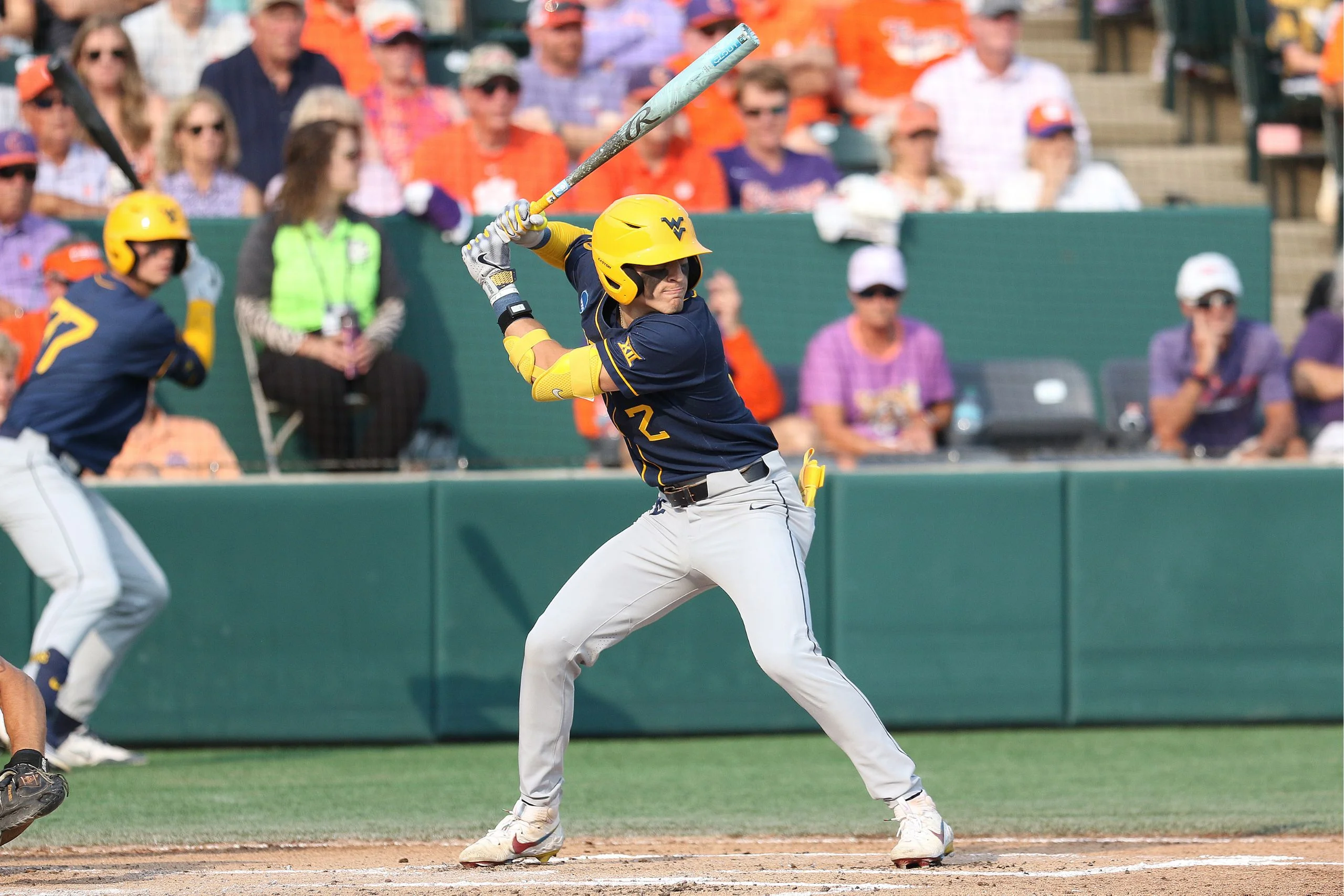
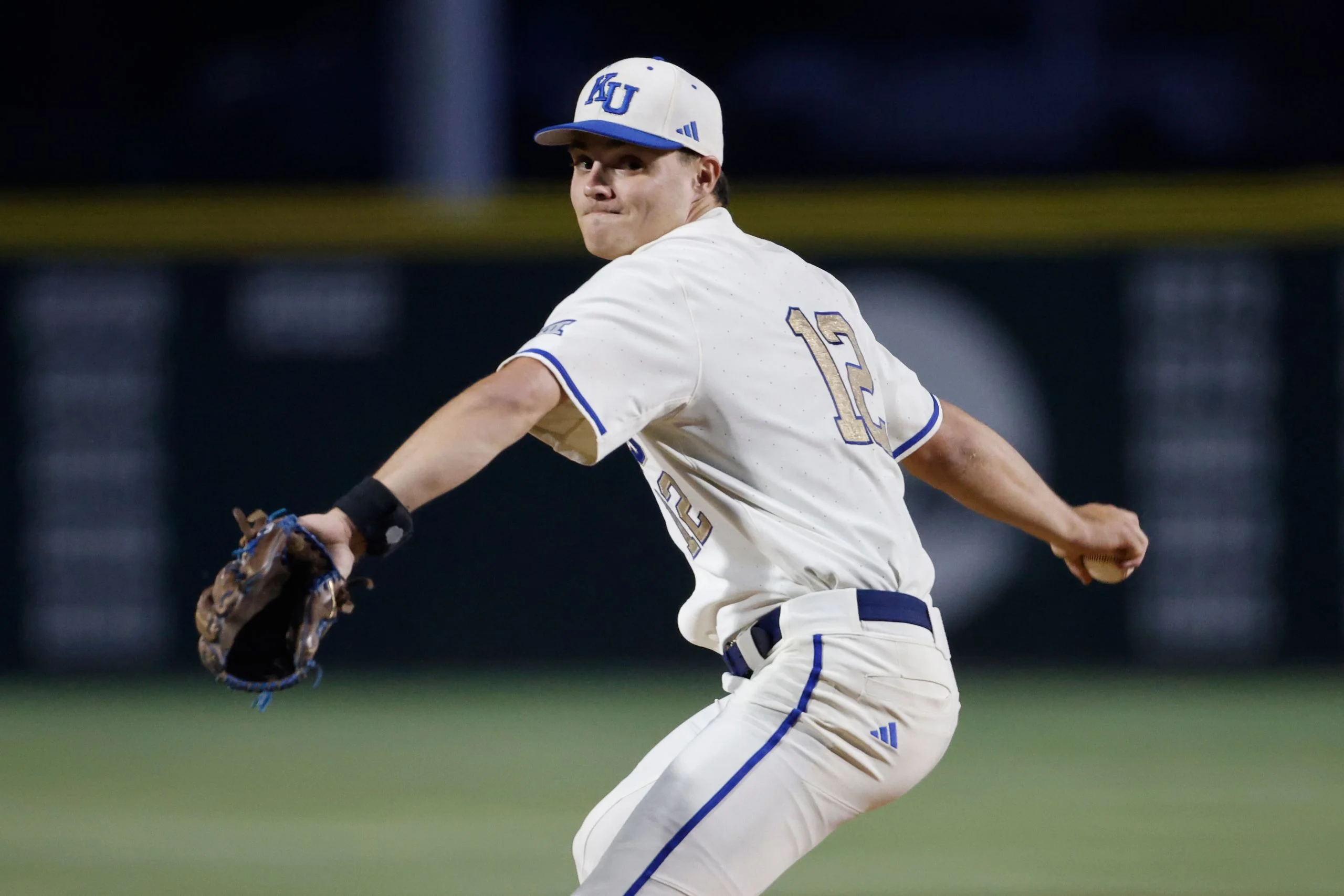
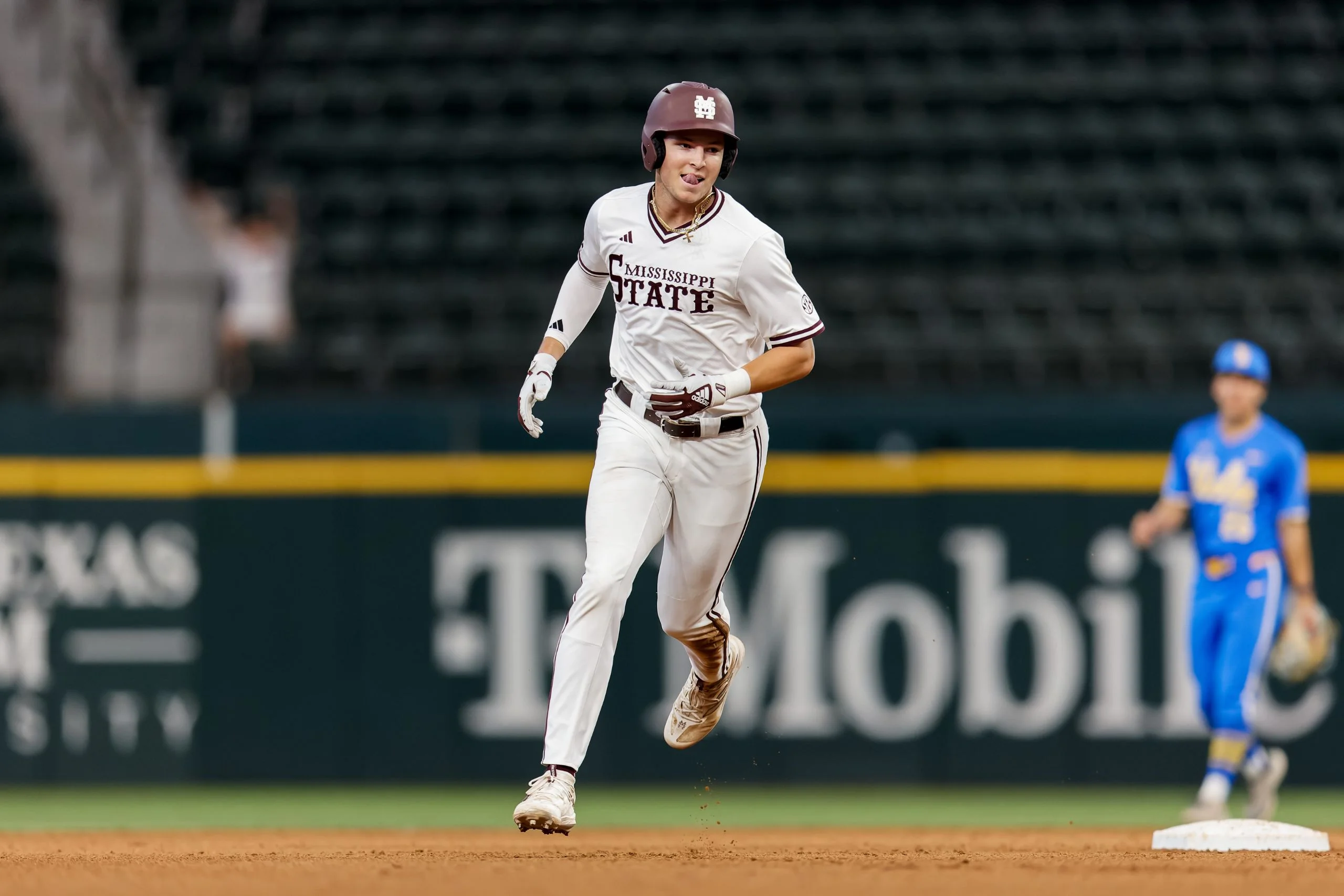
The trajectory of a baseball player's career can shift dramatically post-draft, particularly for those who emerge as standouts at pivotal moments, such as the College World Series. The juxtaposition between Gage Wood and Anthony Eyanson, two players notorious for their performances in 2025, provides an intriguing case study of how player development can unfold variably after college baseball. As the 2026 NCAA Tournament approaches, both players exemplify contrasting paths within the same organizational emphasis on pitching prowess.
High Stakes Performance and Draft Outcomes
During the 2025 College World Series, Gage Wood from Arkansas and Anthony Eyanson from LSU put their talents on display, with Wood achieving a remarkable no-hitter against Murray State that had scouts buzzing, and Eyanson leading LSU to a national championship with a strong performance. Despite the spotlight, their draft experiences were markedly different. Wood was selected in the first round by the Philadelphia Phillies with the 26th overall pick, signing for $3 million, while Eyanson was picked 87th and signed for $1.75 million—a deal that reflected more intriguing potential than his initial slot value indicated.
Pathways to Double-A: Diving into Development
As of now, both players have reached Double-A, but the routes taken to achieve this goal highlight their differing trajectories within professional baseball. Eyanson’s ascent was characterized by significant improvement; his velocity surged during spring training, leading to domination at High-A Greenville. Conversely, Wood’s initial assignment to Low-A Clearwater likely stemmed from a strategic organizational decision prioritizing his development given the Phillies' careful management of pitching workloads, especially considering Wood's prior shoulder issues in college.
When both players faced off recently in Portland, it provided a fitting snapshot of their current capabilities. Eyanson, now in his second Double-A start, showcased his skill with five hitless innings, exhibiting command and an evolving arsenal that signals his growth as a pitcher. His latest stats—29.1 innings pitched with an impressive 42 strikeouts—underscore his potential as a budding star in the Red Sox system.
The Pivotal Aspects of Eyanson’s Game
Eyanson's transformation is particularly notable given his earlier projection as a 50/High rating pre-draft. His current 60/High evaluation reflects a significant leap, attributed to a more refined approach on the mound. In his recent start, Eyanson focused on maintaining command while introducing a cutter that adds complexity to his delivery. His velocity range has slightly dipped from the highs achieved during spring training, where he regularly hit 100 mph; now sitting at 92-94 mph, the concern could arise about whether this affects his effectiveness. Yet, his skill at locating pitches, combined with a newly developed cutter, suggests he’s still a formidable adversary.
The depth of Eyanson’s secondary pitches—namely a slider and curveball with above-average projection—complements his fastball, forming a well-rounded arsenal. If he harnesses his cutter, it could offer a strategic advantage, potentially elevating his status to that of a mid-rotation starter in the near future.
Gage Wood: Talent with Future Potential
Meanwhile, Gage Wood’s journey reflects both talent and the organizational caution regarding his usage. Standing at 6 feet tall, he commands attention not just with his skills but with the strategy the Phillies are employing in his development. Wood’s profile suggests a future at least as a solid starting pitcher, though he faces underlying questions about durability given his draft history and limited innings in college.
His ability to rack up six strikeouts in a contentious Double-A debut may hint at long-term viability, especially underlined by his high whiff rates. His fastball is particularly noteworthy due to both its velocity and deceptive qualities—an explosion from a low release point that keeps hitters off balance. However, like Eyanson, Wood’s future may include a role in the bullpen, especially if the Phillies decide to utilize his fastball-slider combination effectively in shorter stints this season.
What Lies Ahead for Both Players?
The futures of Wood and Eyanson appear promising but nuanced with challenges. For Eyanson, the expectation is clear: if his pitching regime continues benefiting from increased velocity alongside his refined command, he could well position himself for a starting role sooner rather than later. For Wood, the focus remains on navigating the carefully monitored terrains of his usage while balancing the desire to accelerate his path to the majors with the realities of his physical limitations.
As the 2026 NCAA Tournament kicks off and players vie for recognition, all eyes on burgeoning prospects like Wood and Eyanson signal that the landscape of professional baseball will continue to see fresh narratives of growth, potential, and the fine line between projection and performance.