As the 2026 Dominican Summer League (DSL) prepares to open its doors next week, the spotlight is on how the previous year's top prospects have evolved. The performances of these players not only shape the current MLB talent pool but also highlight the development pathways that emerging stars must navigate. This year, the data is compelling: many exceptional talents are already making their mark in higher competition, suggesting their paths to major league rosters will be quicker than anticipated.
Profiling the Rising Stars
The results thus far for last year's distinguished DSL prospects reveal a promising trajectory for the future of baseball. At the top of the list, Josuar Gonzalez, a shortstop for the San Francisco Giants, remains a force to be reckoned with. Now thriving in the Arizona Complex League (ACL), Gonzalez has shown off dynamic defensive skills combined with an ability to be disruptive offensively. However, nagging hamstring injuries have hindered his outing, showing that while talent can take you far, health is an ongoing concern for many players at this level.
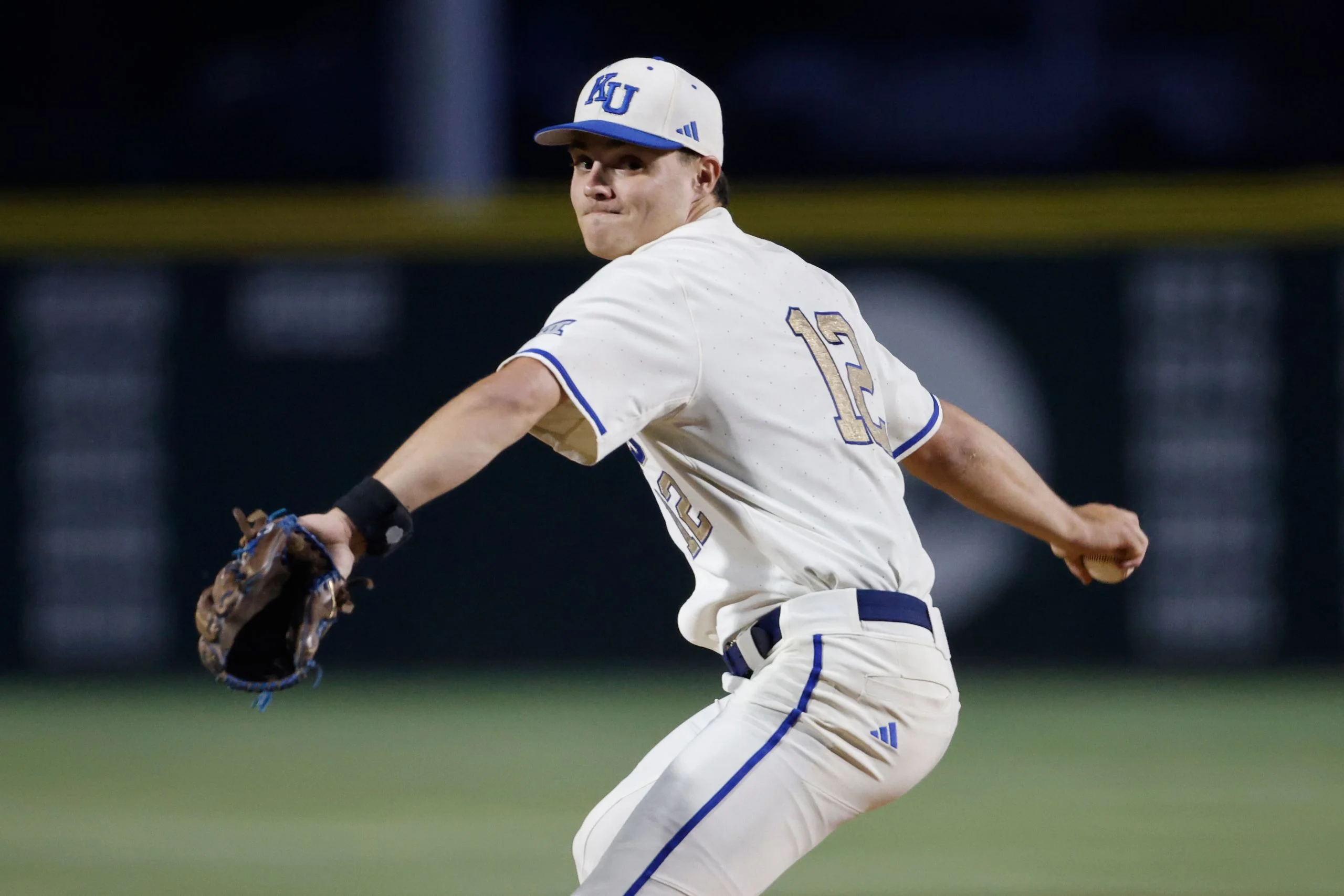
Following closely is Kendry Chourio, a right-hander for the Kansas City Royals. Chourio made waves by skipping the DSL with impressive performances, including a remarkable 1.69 ERA in the Carolina League this year. His low walk rate hints at a maturity on the mound that belies his youth, positioning him as a valuable prospect for a Royals' pitching staff in need of strength. The confidence scouts express in Chourio signifies a shift towards speedy advancements for pitchers who demonstrate early capability at more challenging levels.
Other Notable Performers
Several other names from the 2025 class are making their presence known in various leagues. For instance, Juan Sanchez of the Toronto Blue Jays is working through the expected challenges of transitioning to Low-A Dunedin but is beginning to show glimpses of his potential, with multiple home runs hitting the scoreboard in recent outings. Similarly, Kevin Alvarez from the Houston Astros, the youngest player in the Carolina League, has held his own in a demanding environment, displaying the raw hitting talent that prompted confidence from the Astros to fast-track him to a more competitive development stage.
On the New York Mets' side, Elian Peña has also shown promise despite a variable performance arc. After a blistering start, the challenge of maintaining performance consistency against elevated competition has come to the forefront of Peña's development. His early achievements showcase immense potential, but his current struggles to adapt present an essential note for considerations around prospect development — adjustment to higher competition levels can often prove more telling than initial successes.
Injuries: A Bitter Reality
While many are thriving, the reality of injuries stings deeply for others. For example, Kevin Defrank of the Miami Marlins is out for the season due to a biceps injury sustained in spring training, while Freddy Contreras of the Royals has undergone elbow surgery, sidelining him entirely. Injuries pose a significant barrier in development, reminding teams and fans alike of the precarious nature of nurturing young talent.
Analyzing The Development Trajectory
What does this mean for the broader landscape of MLB talent? The rapid advancement of players like Chourio and Gonzalez illustrates a mounting confidence within organizations about promoting young talent. It reflects a willingness to bypass lengthy minor league stints when a player shows promise, reshaping traditional approaches to player development. However, this can also lead to challenges around sustainability. Organizations become increasingly dependent on younger players to perform quickly, raising the stakes and expectations significantly.
The instinct is to see these developments as indicative of a total success; however, the scenario may be a double-edged sword. As teams accelerate the timeline for potential stars, they must also consider the ramifications of pushing players through their development process too quickly. Potential burnout, injuries, and skill gaps can emerge. There’s a fine line between a player's progression and the need for patience in nurturing long-term prospects.
Looking Ahead
If you’re managing talent within the realm of baseball operations, this year’s performance benchmarks in the DSL pool provide key insights into identifying not just excellent players but also the adept management of their pathways toward professional success. As the 2026 DSL season commences, keeping a close watch on ongoing adjustments to player performances, alongside health management, will be essential in navigating the next wave of talent in Major League Baseball.
The evolving story of these young players is a vital one. For industry professionals, understanding the balance of nurturing player development while maintaining competitive viability will be instrumental in making sound strategic decisions in the coming years.