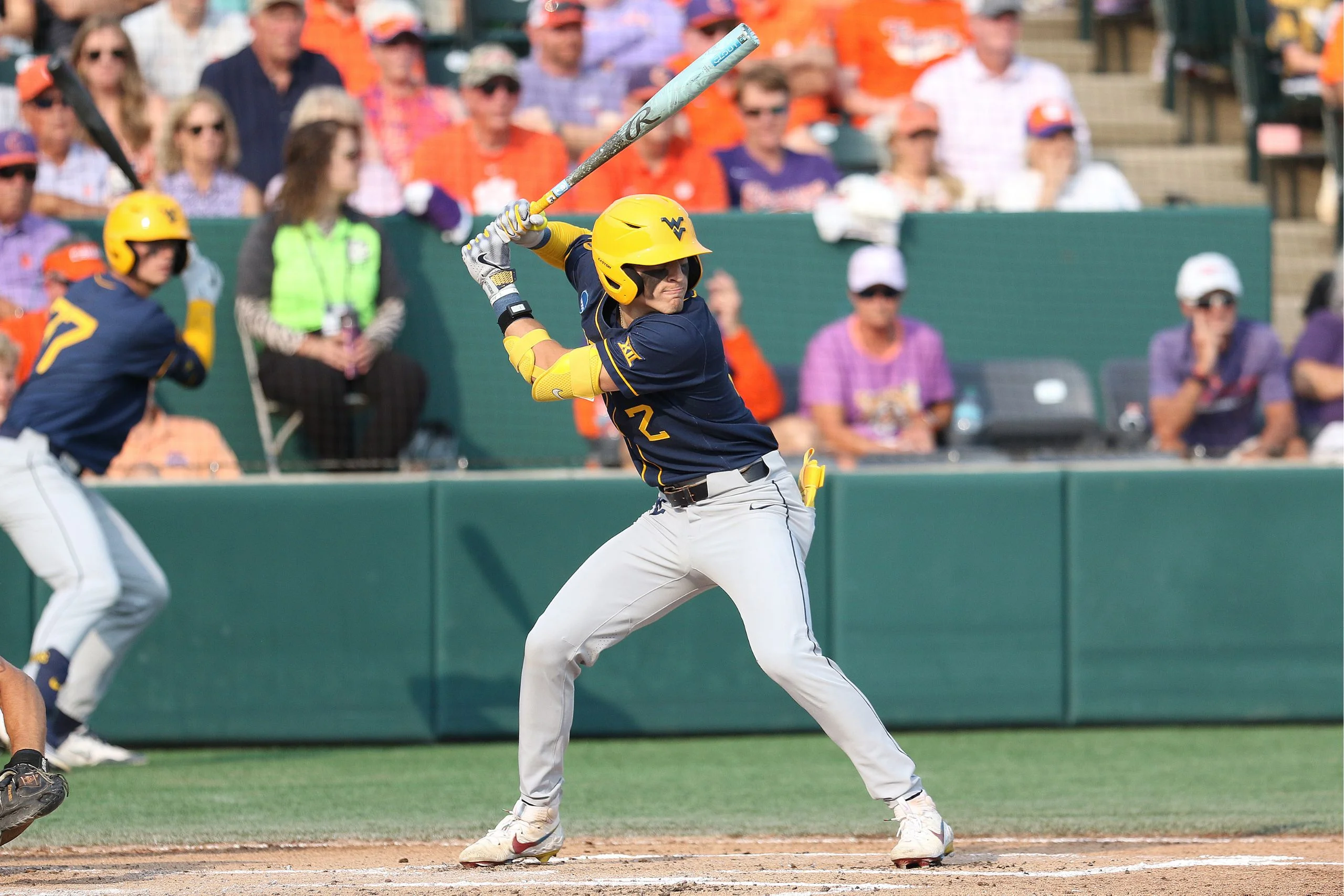
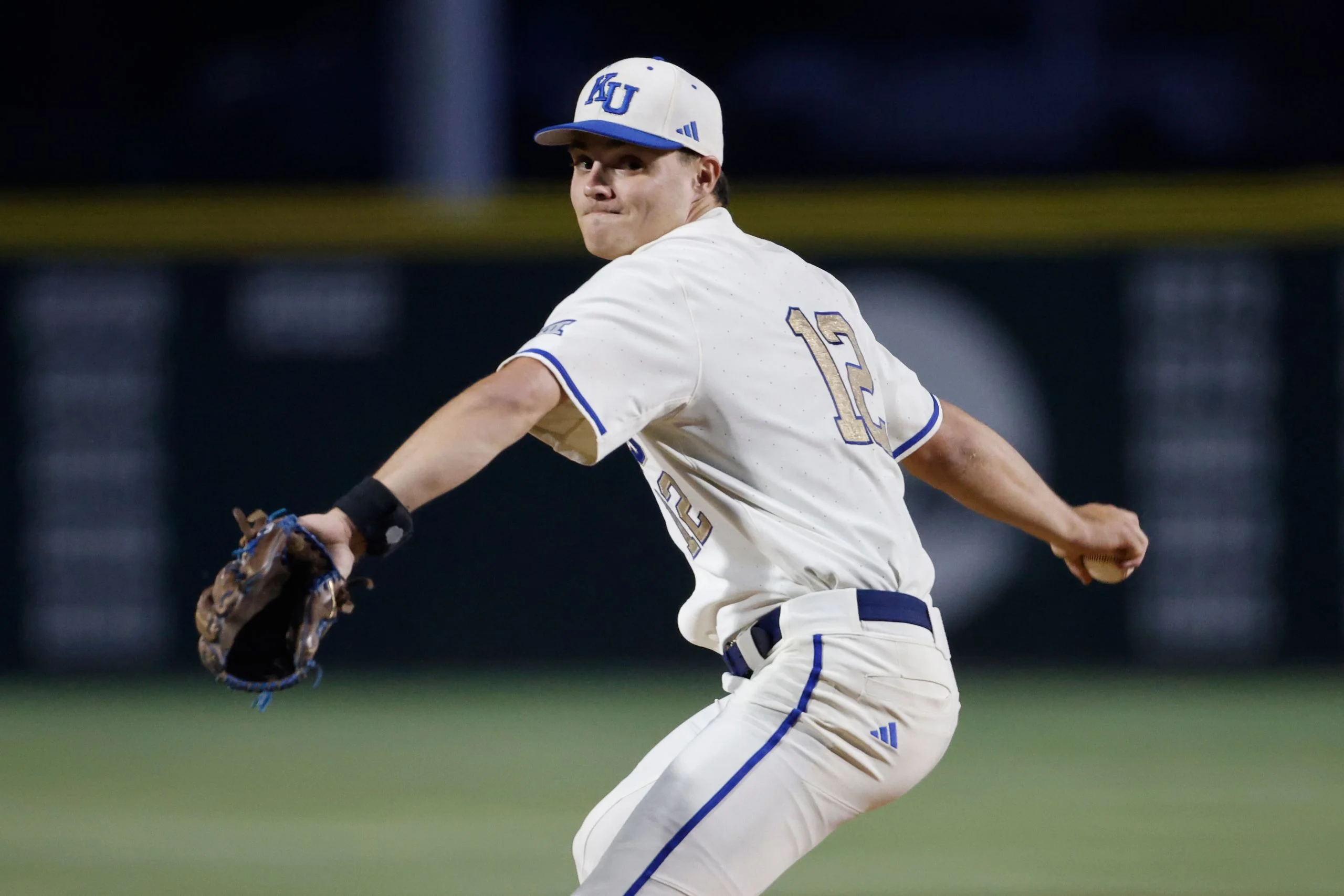
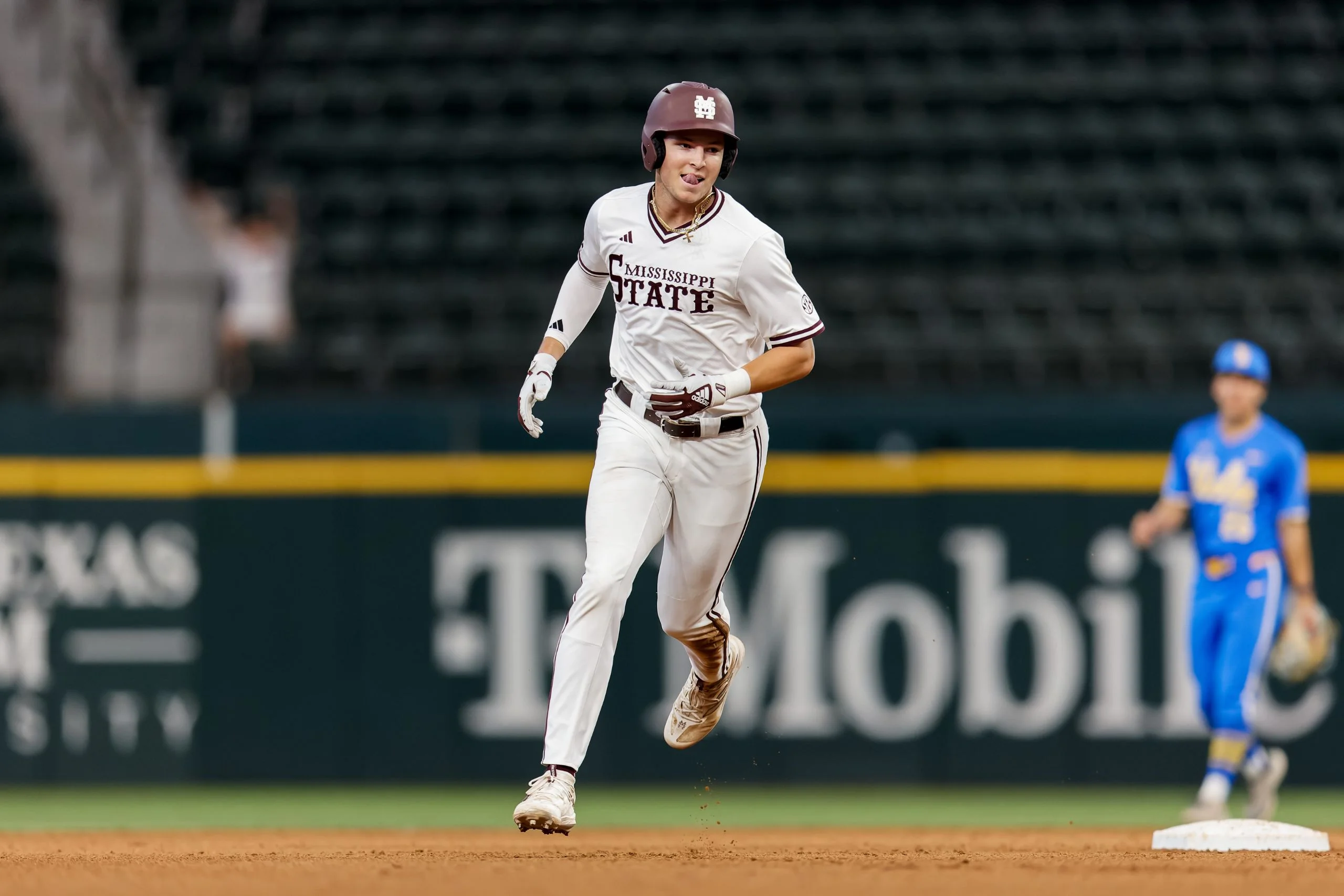
The 2026 NCAA baseball tournament kicks off on May 29 with 64 teams competing for the coveted title. This year's outing is especially noteworthy not just for the typical narrative of bracket busters and Cinderella stories, but for the unique stylistic approaches of this year's contenders, which are likely to shape the outcomes in unexpected ways.
Understanding the Approaches: Offense vs. Defense
The intrigue begins with the distinction between teams that rely on offensive firepower versus those that excel in defensive strategies and pitching finesse. The Texas Longhorns, seeded as the number one team, illustrate this point perfectly. While they command a powerful offense—ranking within the top 35 teams nationally for home runs—their strength lies in the pitching staff. Featuring players like Dylan Volantis and Ruger Riojas, Texas brings a combination of depth, talent, and control that positions them as frontrunners. Their pitching not only excels in strikeouts but also minimizes walks, revealing a strategic advantage that helps them maintain control throughout extended tournament play.
This isn’t just a numbers game; it’s about managing the mental aspect of the game, where a strong pitching staff can dictate pace and force batters into uncomfortable positions. This dynamic becomes vital as the tournament progresses, where fatigue and pressure mount. The Longhorns’ ability to conserve pitchers and rotate them effectively adds yet another layer to their strategy.
Conversely, the UC Santa Barbara Gauchos represent a starkly different philosophy. They’re not an offensive powerhouse but instead focus heavily on run prevention. With their ace, Jackson Flora, boasting an ERA just above one, and a supporting cast that includes Nathan Aceves and Kellan Montgomery, this squad can effectively impose a low-scoring, tense style of play. This ability to "shorten games" and stifle opposing lineups indicates that they can frustrate higher-seeded teams and create competitive advantages in closely contested matchups.
You'll notice the stark contrast between these two philosophies plays out in both fan expectations and coaching strategies. Offense draws viewers, but defense often wins championships, especially when the stakes are higher.
Talent Disparities: The Dark Horses
Looking beyond the top seeds, the dynamics shift with teams like Tarleton State and Holy Cross, both underdogs in their respective matchups. Tarleton State’s approach leans on athleticism and the capacity to manufacture runs, driven by players like Rayner Heinrich and Slade McCloud. Nevertheless, their reliance on multiple pitchers instead of a single ace raises concerns about their ability to compete against more balanced teams in a full regional series.
There's a thin line between underdog charm and the reality of competitive inadequacy. A roster built on quantity rather than quality might struggle against teams that have a clear, standout player. The pressure of the tournament often exposes such cracks in a team's strategy, and the endurance required to make it through several games can reveal strategy flaws.
On the other hand, Holy Cross comes into the tournament facing significant challenges. With a roster deficient in power and pitching velocity, they’ll need a combination of strategic chaos and stellar defensive performances to hold their ground. They aren't entirely out of the running; tournaments often play host to surprise upsets, but they need exceptional performances from every player to avoid being overwhelmed right out of the gate. The odds are not in their favor, yet that unpredictability is what makes college sports so compelling.
Strategic Implications: What to Watch For
For industry professionals and enthusiasts observing the tournament, the approaches of these teams reveal deeper implications for the future of collegiate baseball strategy. The noted shift towards valuing pitching depth and defensive strength over raw offensive capability could redefine how teams are constructed in upcoming seasons. The Longhorns and Gauchos exemplify this trend, suggesting that the adage of “the game is won on the mound” holds more weight than ever.
That shift might lead to more teams investing in pitching development programs and scouting initiatives focused on defensive talent. Coaches will likely emphasize mental resilience and strategy on the mound, further complicating traditional player evaluations that have centered on offensive performance metrics.
This trend will likely challenge traditional scouting resources and metrics that emphasize bat speed and power numbers over pitching analytics and defensive efficiency. If you're working in this space, prepare for a fundamental reevaluation of talent. The need for players who excel in high-pressure situations and can maintain composure will overshadow mere offensive statistics in determining a team's success.
The Path Ahead: Looking to the Future
The 2026 NCAA baseball tournament stands as a testament to the duality of competition—one that balances crushing offense with strategic, defensive play. As the tournament unfolds, the capability of teams to adapt their styles and overcome their inherent limitations will provide the most entertaining and telling narratives. Keep an eye on how these varied philosophies collide and potentially reshape prospects for future seasons.
With uncertainty like this, the outcomes could serve as a blueprint for how collegiate teams execute their strategies in the years to come. And let's face it—while every tournament promises surprises, the implications of this year's trends could resonate beyond the diamond. An evolution is brewing; watch closely.