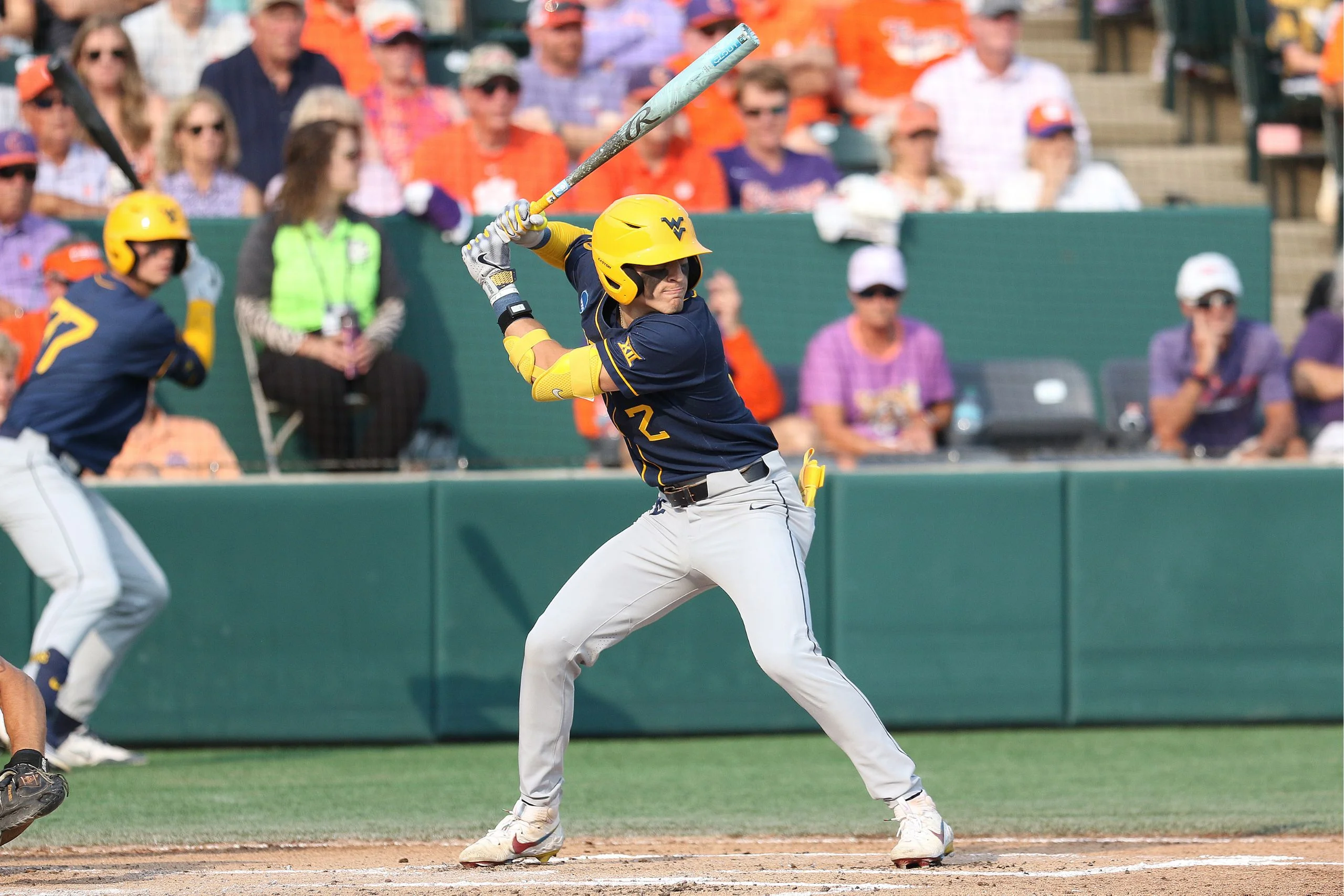
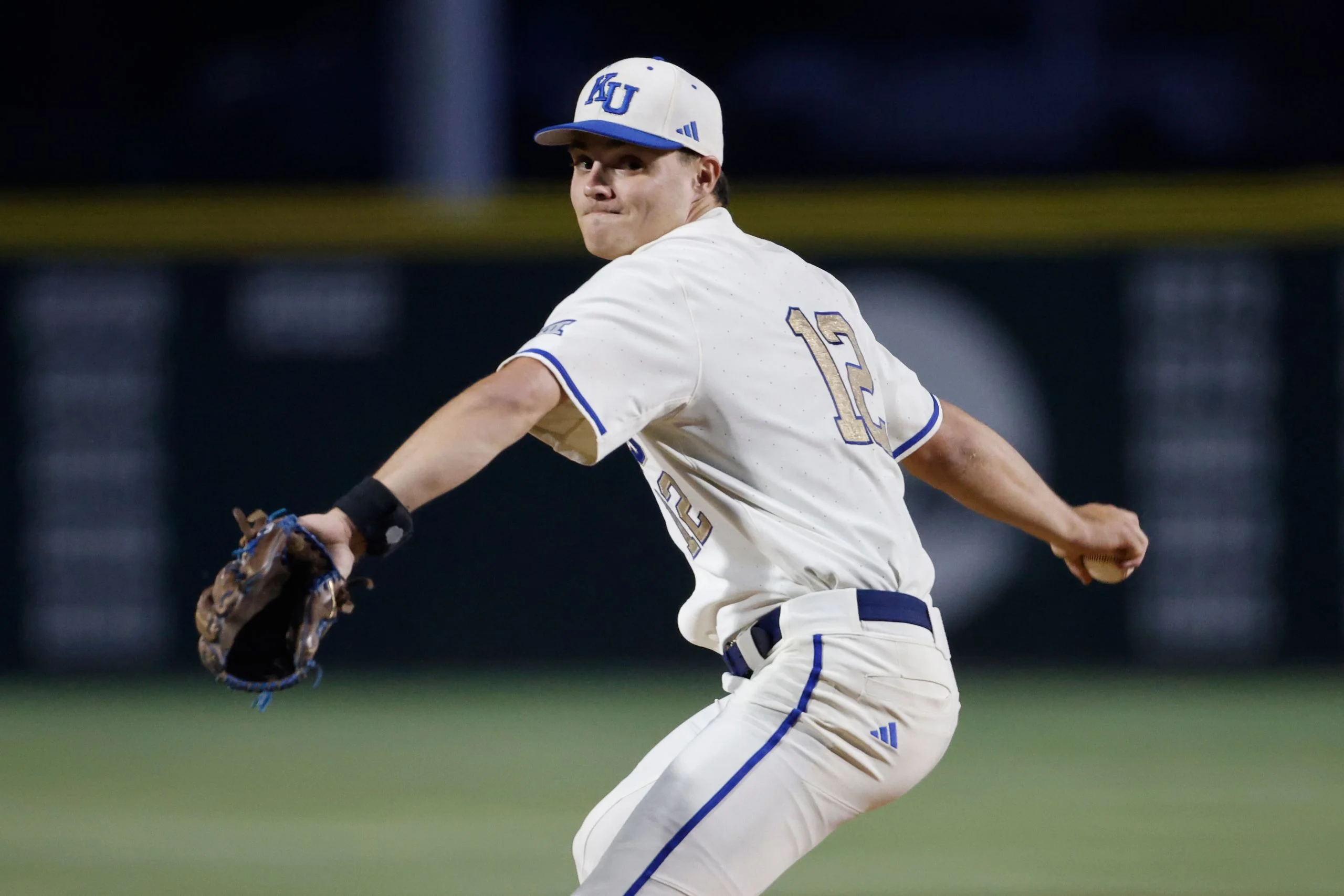
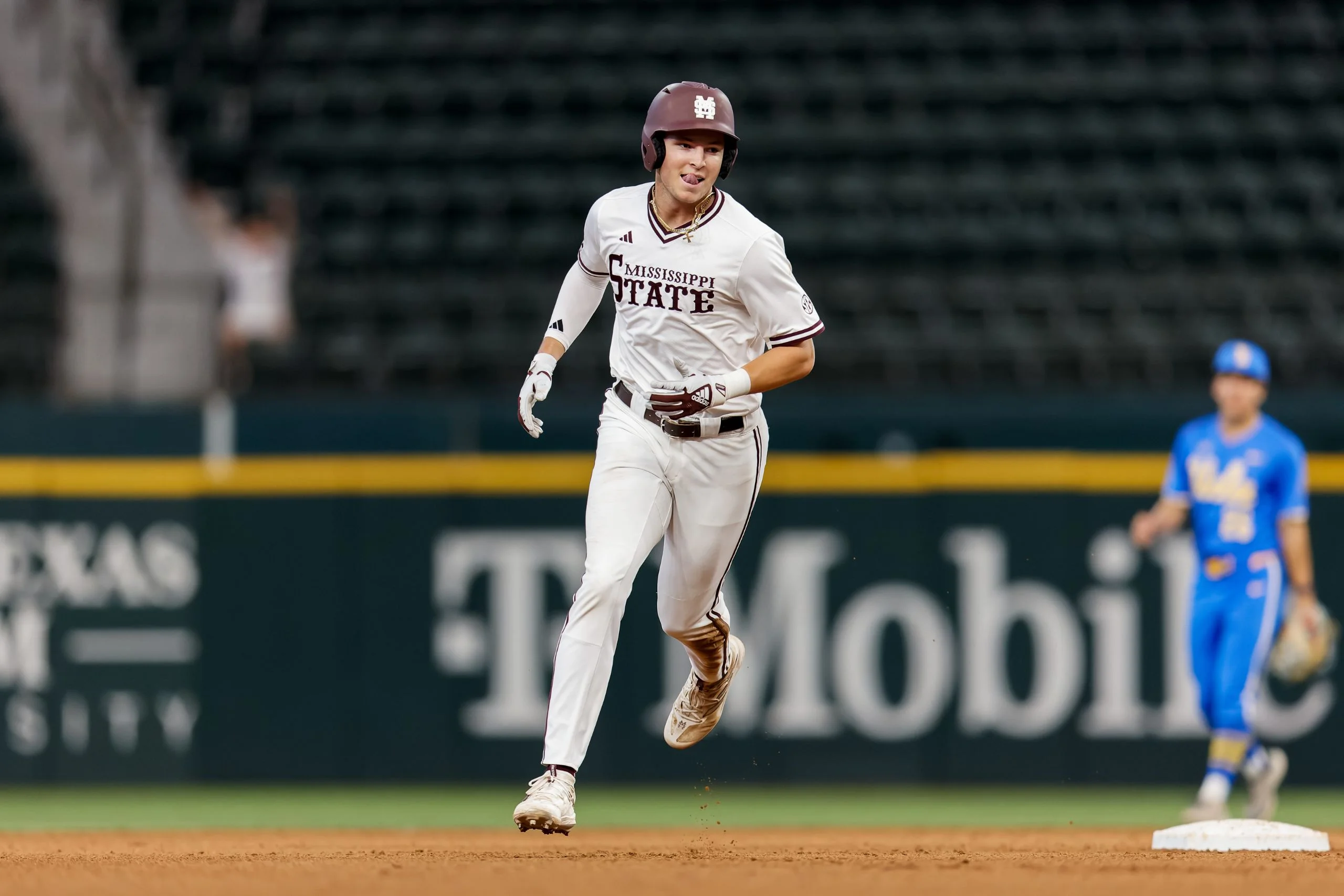
The impending 2026 NCAA baseball tournament is stirring excitement, but what makes this year's regional play particularly noteworthy is the blend of elite talent and underlying uncertainties. As teams gear up for battle starting May 29, significant stories are emerging from the tournament field, highlighting not just the powerhouses but also the potential pitfalls that could trip them up.
UCLA: The Unstoppable Force?
Leading the pack is the No. 1 seed UCLA Bruins, who have showcased an impressive season with a balanced squad that minimizes weaknesses. Their statistical power is compelling—heading into the postseason, they ranked second in the nation for ERA and third for WHIP, while also boasting a robust offense. They scored consistently, finishing in the top 30 nationally for runs per game.
However, the key player, ace Logan Reddemann, has been sidelined by arm fatigue, casting doubt on their rotation's depth. While UCLA's pitching staff is solid overall, losing Reddemann narrows their margin for error against other elite offenses. His absence raises the stakes; if they are to achieve their expected dominance, the remaining pitchers will need to deliver extraordinary performances, particularly against high-pressure postseason contenders.
Virginia Tech: A Surprising Journey
Conversely, the Virginia Tech Hokies, surprising many by securing a second seed spot, face a challenging road. The expectations were that they would land as a three seed, and their performance suggests the rationale behind this initial assessment. Offensively, they show flashes of strength—especially with freshman standout Ethan Ball, who's become a power threat with 16 home runs—but their overall inconsistency raises questions.
Virginia Tech's pitching woes are more concerning. Averaging almost seven runs allowed per game indicates a susceptibility that could spell disaster in a single-elimination format. The responsibility to improve that situation rests heavily on Brett Renfrow. He possesses the necessary tools to stabilize the pitching staff. His ability to generate swings and misses could be pivotal if the Hokies hope to upset higher-seeded teams throughout the tournament.
Cal Poly: The Underdog with Potential
On the other hand, No. 3 Cal Poly Mustangs present a case for the underdog narrative. Their roster appears modest on paper, but they possess the competency to upset higher-ranked teams, especially if games remain close. Cal Poly lacks the explosive offense that can quickly erase deficits, but they emphasize a contact-heavy offensive approach that minimizes strikeouts. Only catcher Ryan Tayman stands out for his power, while the rest of the lineup focuses on putting balls in play.
Moreover, Cal Poly’s pitching staff is noteworthy. While they might not be on par with the nation's elite, their relative average is well above the competition. They excel at throwing strikes and mitigating damage, giving them a chance to stay competitive in tightly contested games. Their top reliever, Nick Bonn, has the potential to shift dynamics with his ability to reach triple digits, making him a vital asset as the tournament progresses.
Saint Mary’s: The Fourth Seed that Packs a Punch
Finally, the No. 4 seed Saint Mary’s Gaels might be underestimated. Historically, lower-seeded teams are often the first to exit the tournament, but the Gaels possess a potent offense that is capable of generating considerable pressure even against higher-seeded squads. With key players like Ian Armstrong and Makoa Sniffen, they can hit for power while limiting strikeouts.
Nevertheless, their pitching remains a question mark. A tendency to allow excessive baserunners and to struggle in key moments could undermine their offensive strengths. This duality presents a troublesome narrative: can they outscore opponents consistently if games become high-scoring exchanges? If they aim to make a deep run, addressing these pitching deficiencies will be paramount.
The Unforeseen Risks of Postseason Play
As the tournament approaches, each team's unique blend of strengths and vulnerabilities shapes the expectations for this spring's championship chase. Throw in the unpredictability of a single-elimination format, and there's tremendous potential for surprises. Each game invites the possibility of a titan falling or an underdog rising, making for a thrilling narrative for players and fans alike.
In summarizing the essence of the upcoming tournament, it's clear: while the stats and player capabilities lay the groundwork for predictions, the dynamic nature of postseason play will inject the unexpected at every turn. With so much at stake, teams will have to navigate not only their own performance but also the pressure that comes with the tournament's intensity. Expect drama, expect surprises, and expect the unexpected when the first pitch is thrown on May 29.
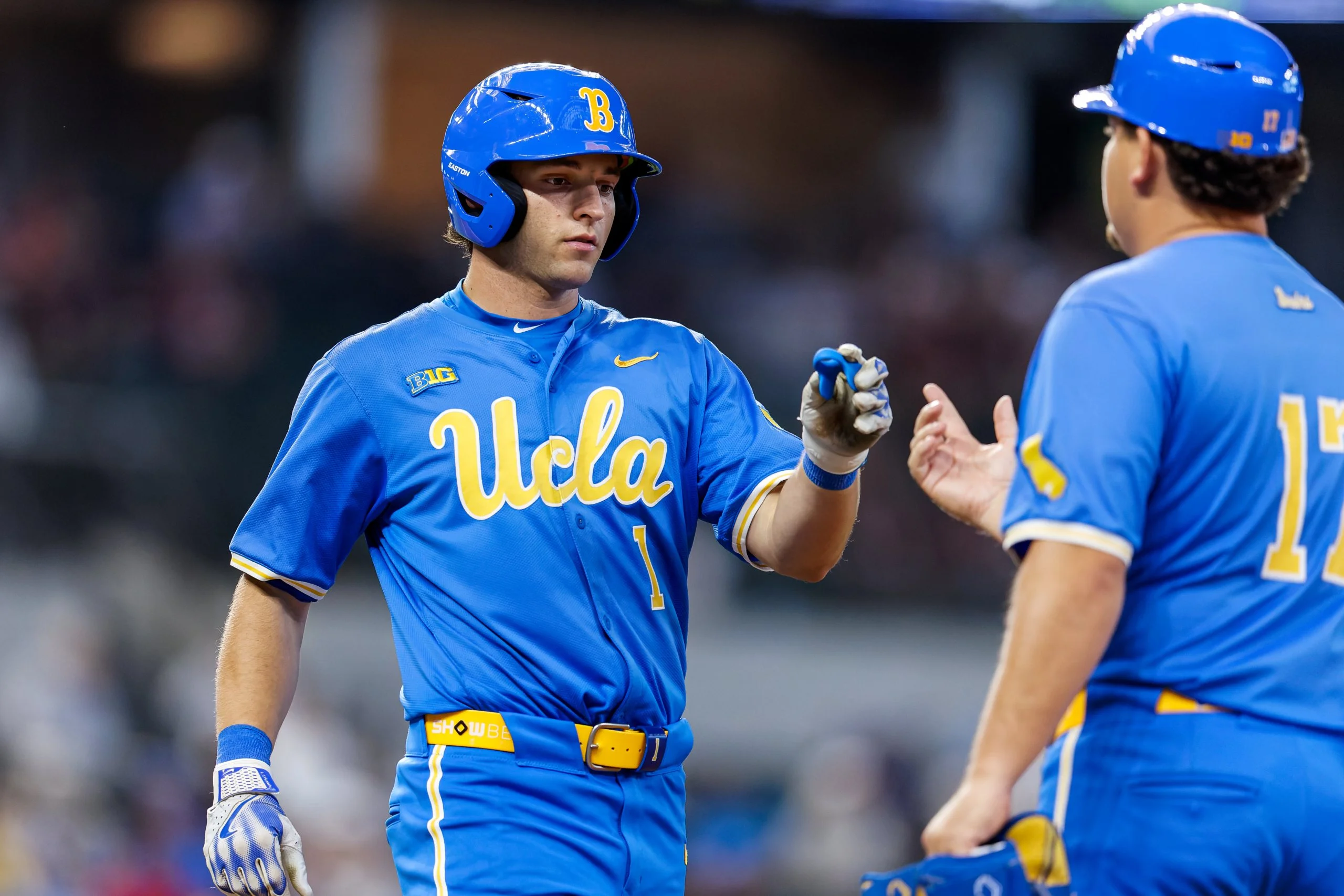
For a detailed breakdown of all participating teams, you can explore the full list of regional previews here.
The post Westwood Regional 2026 NCAA Baseball Tournament Preview appeared first on College Baseball, MLB Draft, Prospects - Baseball America.