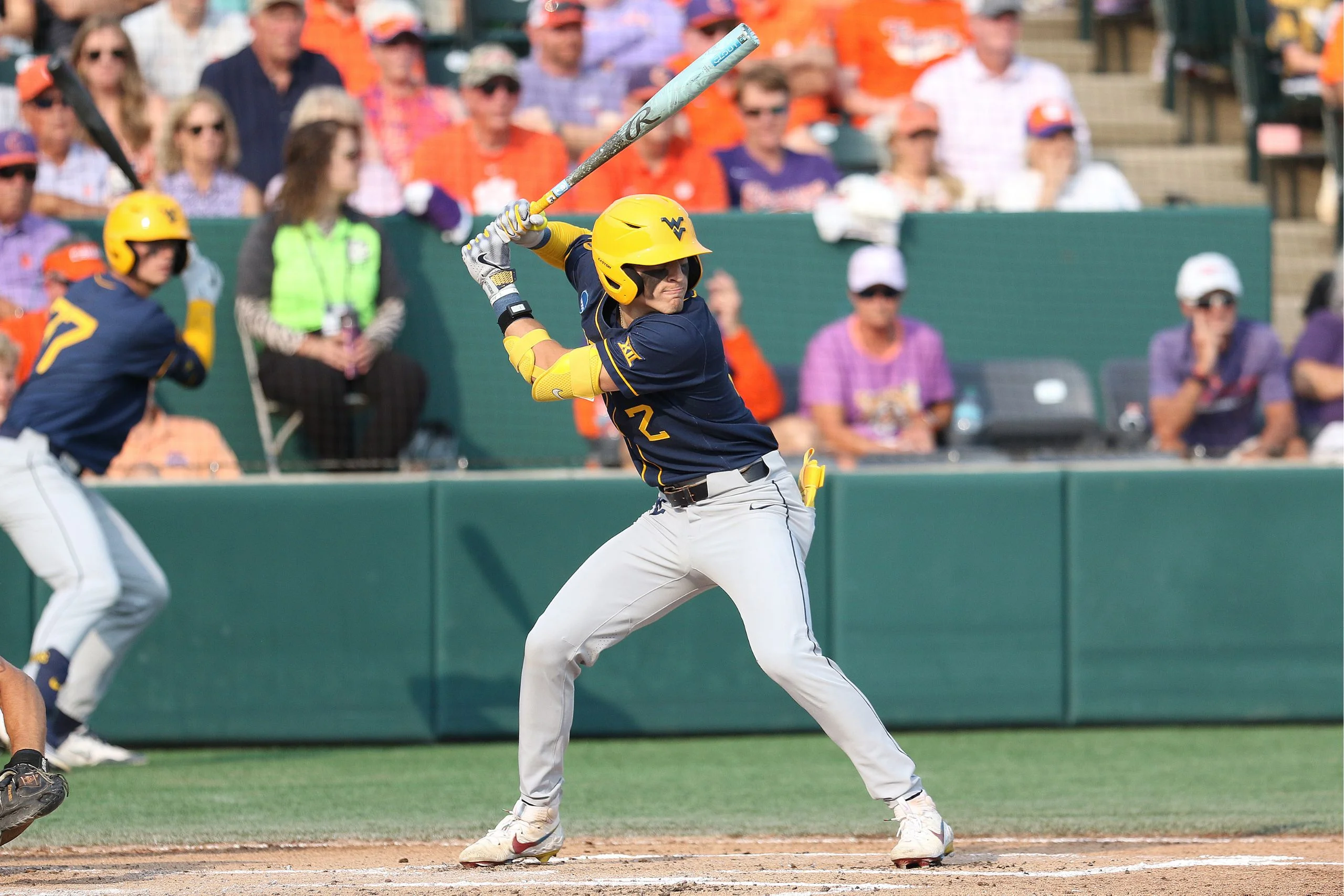
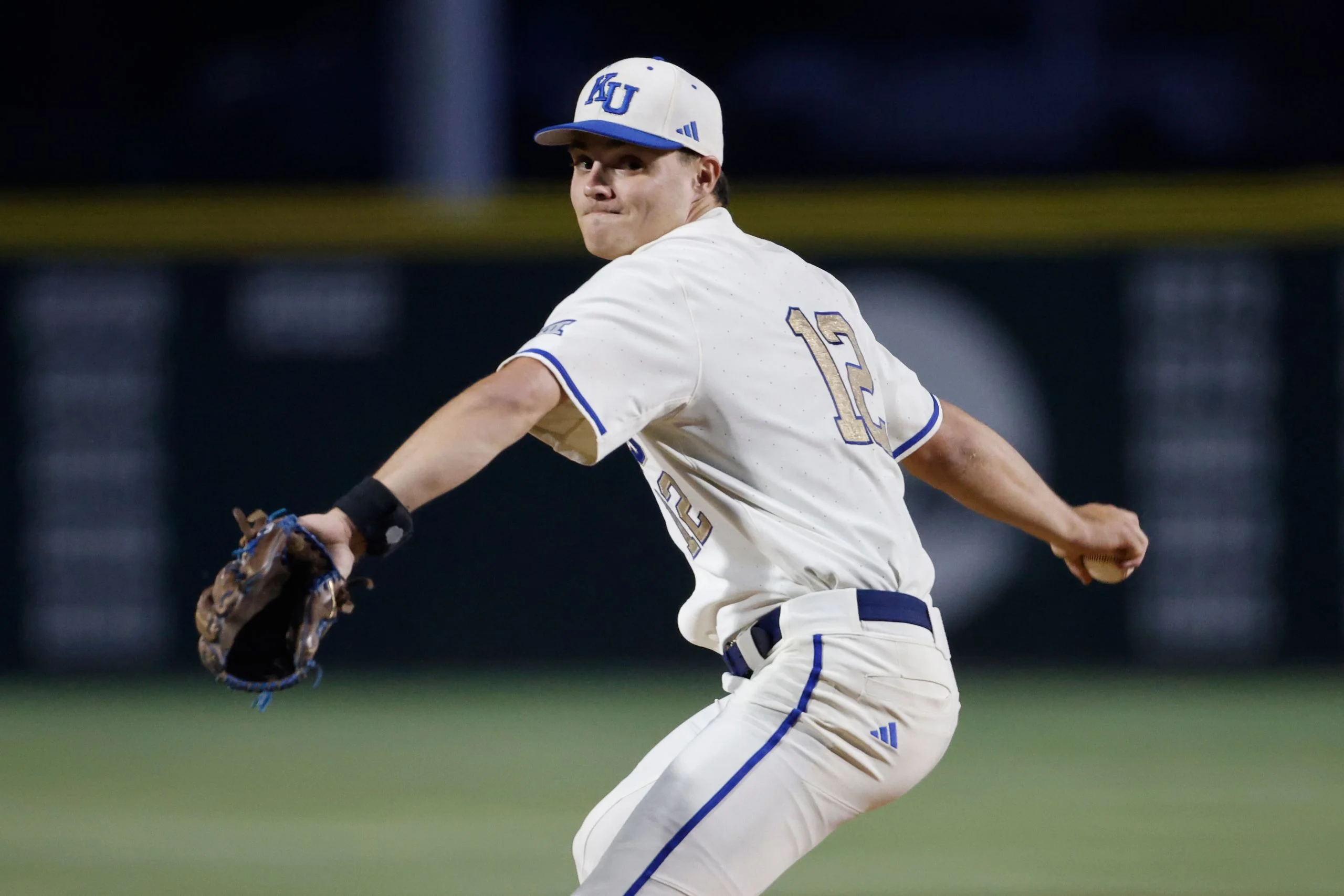
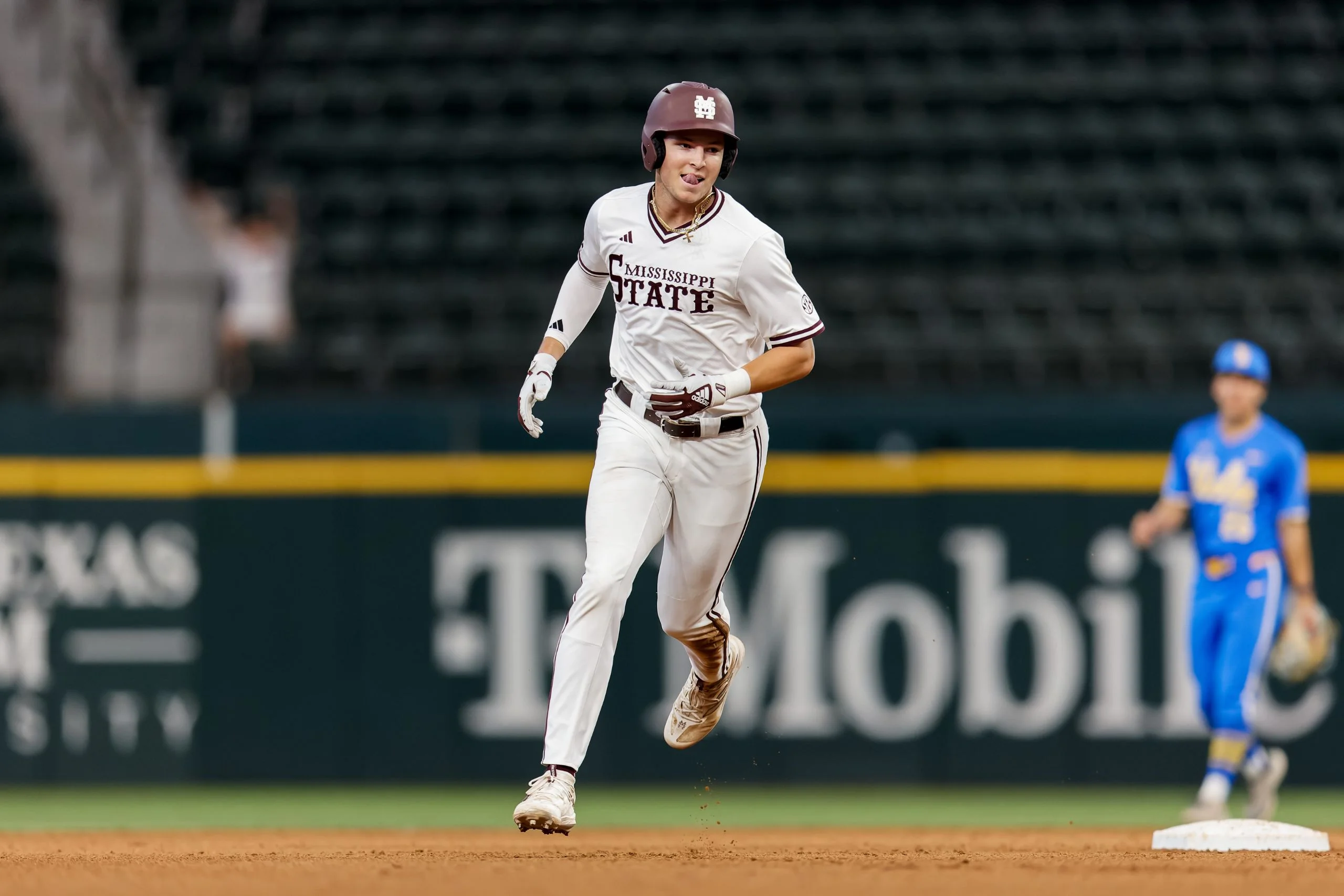
The 2026 NCAA Baseball Tournament is gearing up to unfold with intensity, particularly in the Lincoln Regional, where the stakes are high for the participating teams. This year, the emphasis isn’t merely on the champions; it’s on how different teams react under pressure and exploit their unique strengths. With four teams vying for supremacy, each one brings distinctive characteristics that could tilt the balance in their favor or lead to their downfall.
Nebraska Cornhuskers: Solid Yet Unremarkable
The hosts, the Nebraska Cornhuskers, face the burden of expectations within a regional that showcases fierce competition. Their strength lies in a dependable pitching rotation comprising Carson Jasa, Ty Horn, and Gavin Blachowicz. This trio may not dominate with flashy statistics but has shown an ability to keep games manageable for their team. They rank 39th nationally in strikeout rate and exhibit consistent performance despite not overpowering hitters.
However, Nebraska's struggles in the bullpen could signify vulnerabilities, especially when matched against the diverse offensive threats they will encounter. Meanwhile, their offense excels in generating pressure rather than merely relying on home runs, indicated by a .312 team batting average and a .408 on-base percentage. These metrics hint at a style of play that emphasizes on-base ability and situational hitting, which will be crucial as every game in this loaded regional demands high performance.
Ole Miss Rebels: Postseason Threats
Contrasting Nebraska’s steady hands, the Ole Miss Rebels present a different problem altogether with their intimidating pitching roster. Featuring Cade Townsend, Taylor Rabe, and Hunter Elliott, they boast one of the most formidable rotations. The Rebels’ staff has ranked among the best nationally—third in xFIP and fourth in strikeout rate—indicating they generate a high volume of swings and misses, making it difficult for opposing teams to find a rhythm.
This prowess on the mound aligns with an offense that’s capable yet inconsistent, having struggled with strikeouts ranked at 305th nationally. However, players like Tristan Bissetta and Judd Utermark can turn the tide at any moment, producing substantial damage. Here’s the thing: while Ole Miss has shown volatility offensively, capitalize on their potential, and they could easily bulldoze through rounds.
Arizona State Sun Devils: Dark Horse Potential
As a No. 3 seed, Arizona State might be underestimated, but they have the explosive capability to surprise their adversaries. Their offense, highlighted by standout Landon Hairston—a finalist for National Player of the Year—places them in a potent position. The metrics back this up, with Arizona State recording the ninth-best wOBA and a low strikeout rate in Division I, both suggestive of a lineup capable of consistent damage.
The potential hiccup lies within their pitching depth. While Cole Carlon shows promise as a leading pitcher, signs of fatigue with reduced fastball velocity raise questions heading into the tournament. If the pitching can stabilize even marginally, Arizona State's offense could very well outpace expectations typical for a lower seed.
South Dakota State Jackrabbits: Uphill Battle
In stark contrast to the other teams, South Dakota State faces an uphill battle within the Lincoln Regional. Hosting a roster that lacks the depth and talent of their competitors, they will likely struggle without standout pitchers or a deep bullpen. With a 7.17 team ERA, the Jackrabbits find themselves at a considerable disadvantage, and the talent gap they face is glaring.
Offensively, while they have promising players like Nolan Grawe and Luke Luskey, the lineup's top-heavy nature becomes a critical liability. Against higher-caliber opponents, the ability to manufacture runs may be stifled, making it integral for South Dakota State to pull off an extraordinary performance to advance beyond the regional stage.
Looking Ahead: The Road to the College World Series
What’s clear heading into the Lincoln Regional is that every matchup tells a story of contrasting strategies and strengths. The Cornhuskers rely on steadfastness, Ole Miss on pitching dominance, Arizona State on explosive offense, and South Dakota State on overcoming odds. The contrasting styles illuminate the dynamic of postseason baseball, and how teams respond to pressure will define the next steps in their journey toward the College World Series.
For professionals in this space, observing these games closely will provide critical insights into team performance under duress, the effectiveness of various strategies in high-stakes scenarios, and emerging talents who may influence the trajectory of collegiate baseball in the seasons to come.