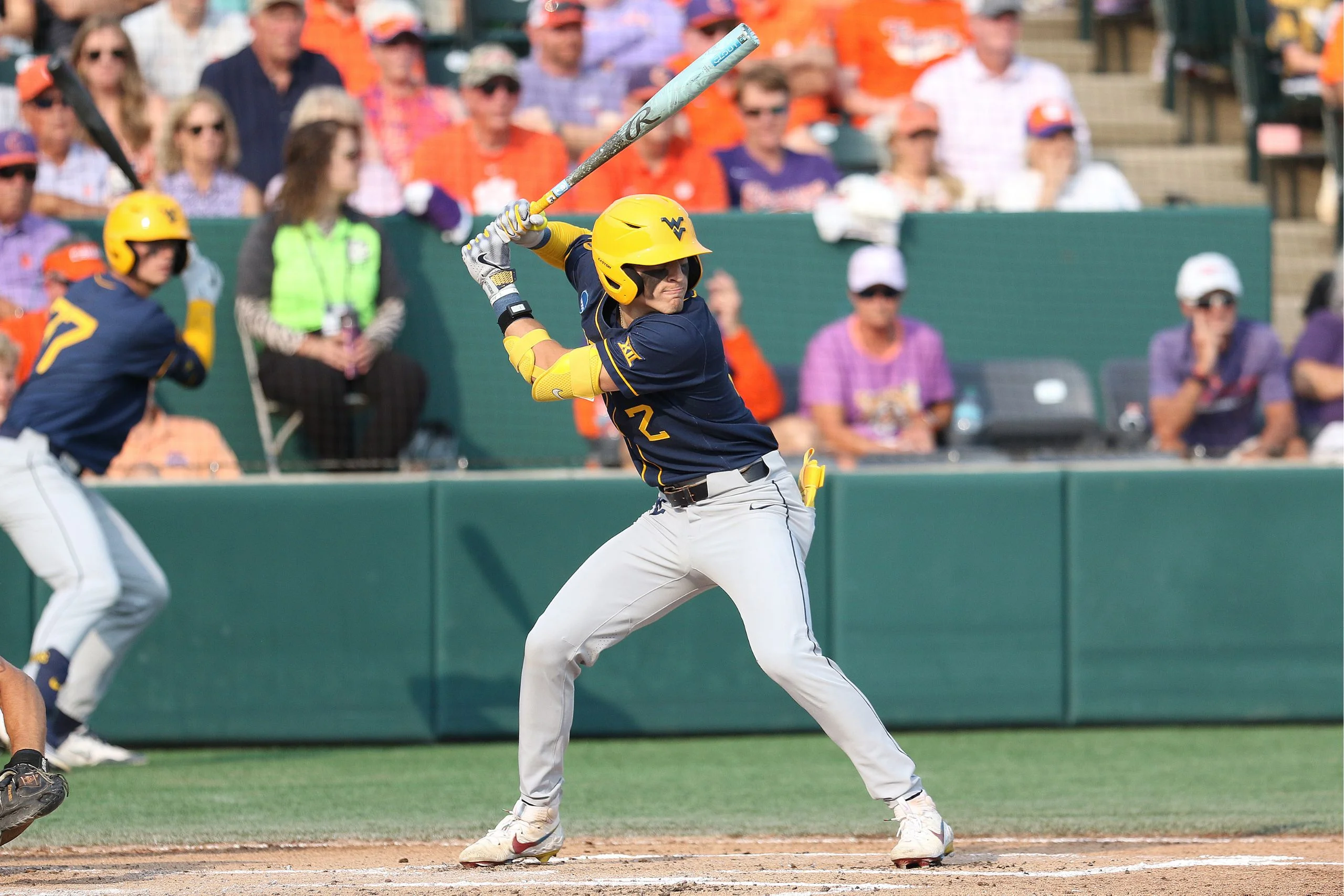
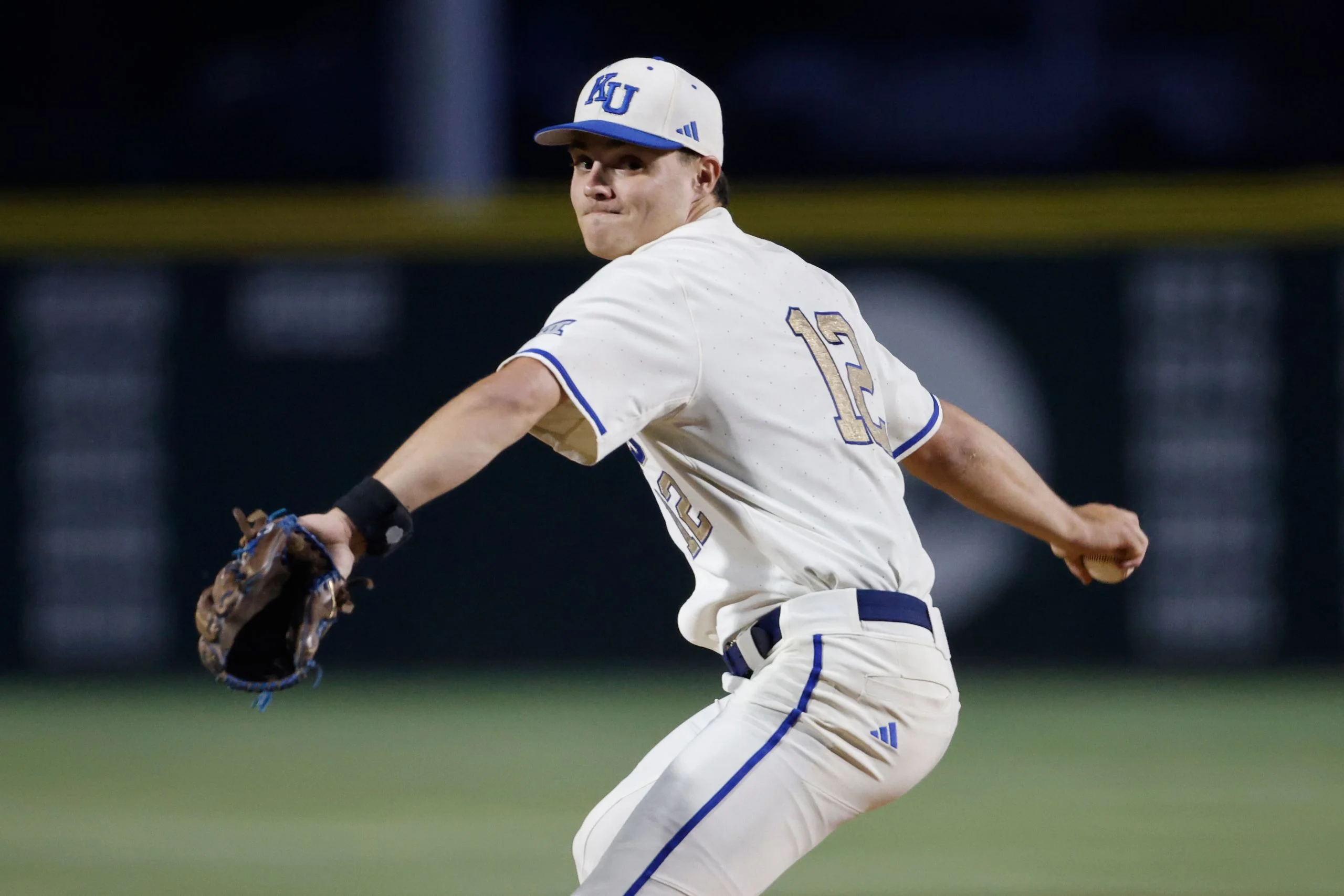
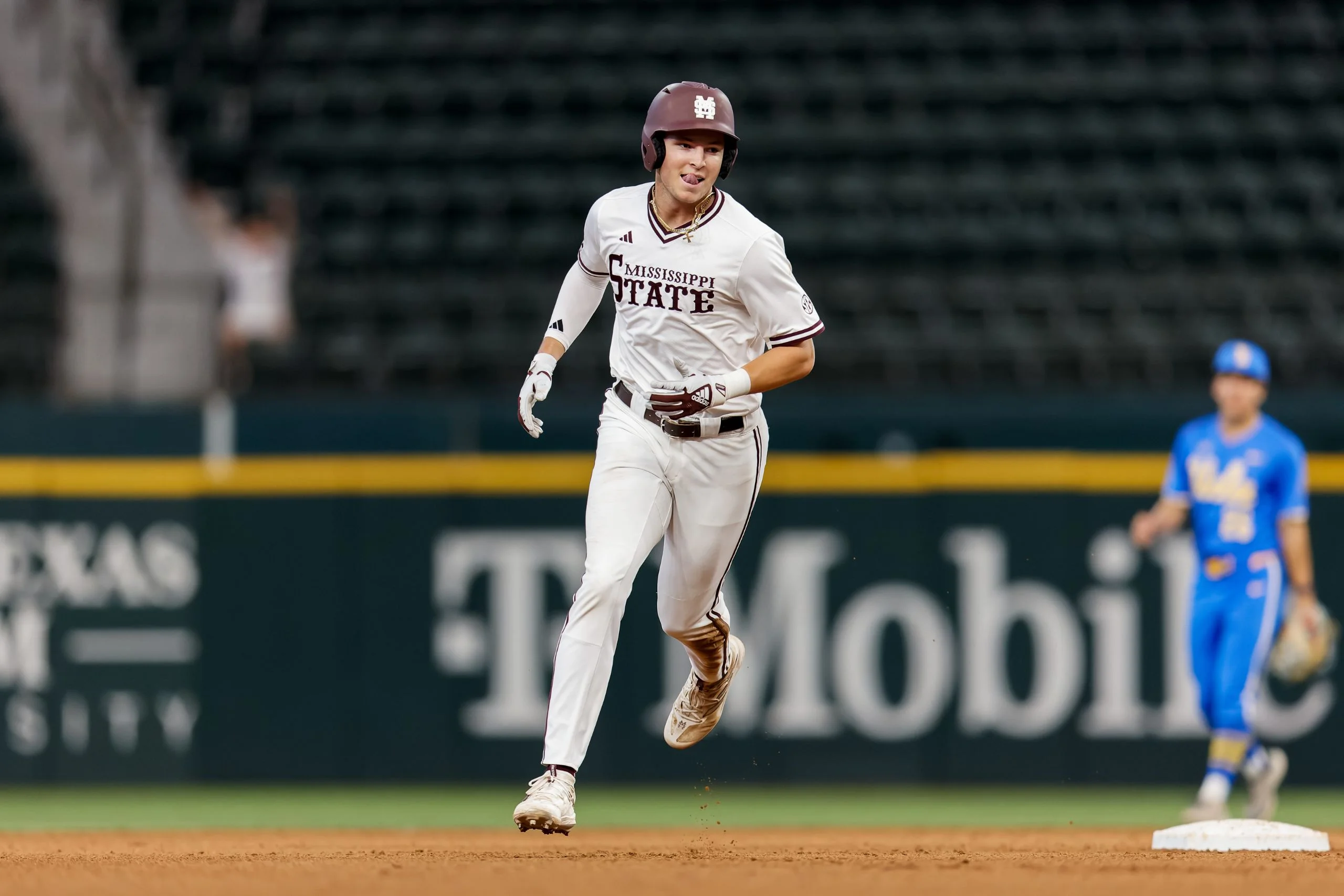
The recent trade between the Miami Marlins and Cincinnati Reds reveals deep strategic maneuvers that extend beyond the mere exchange of players, hinting at how rosters are managed in the league's current landscape. The Marlins have acquired 25-year-old outfielder Rece Hinds, an intriguing prospect who has yet to realize his potential at the major league level, in exchange for minor league right-hander Zach McCambley. The Marlins' latest addition will soon find himself in Triple-A Jacksonville while the Reds pursue additional pitching depth.
Cincinnati's Strategic Shift
Hinds was designated for assignment just days before the trade, signaling the Reds' shift in roster dynamics. The decision to trade him, coupled with a minor league agreement to bring in McCambley, clearly showcases the Reds' approach to assembling the right mix of talent, particularly in a competitive environment where every roster spot matters. Hinds' prolific power potential is noted, but there are concerns about his swing-and-miss tendencies. Despite hitting five home runs during spring training and posting a solid .410 batting average in that timeframe, Hinds still underperformed during his major league stint, logging a strikingly low .172 average over 131 plate appearances.
The Power Dilemma
The real story here is the juxtaposition between Hinds’ power potential and his significant strikeout rate, which hovers near 42% in his brief major league appearances. However, his Triple-A strikeout rate of 26.3% offers a glimmer of hope that he might be able to lower that number significantly. This nuanced improvement could be attributed to adjustments made to his approach at the plate, possibly hinting at a longer-term possibility for success in the majors. If he can continue the positive trend while honing his offensive skills, Hinds could eventually thrive in the big leagues.
Marlins' Injury Management
On the Marlins’ side, the trade also coincided with critical injury management decisions. Left-hander Robby Snelling has been moved to the 60-day injured list due to a sprain of his ulnar collateral ligament (UCL), an injury that presents long-term considerations for recovery, especially in a pitcher’s career. This transaction underscores the Marlins' necessity to keep their roster flexible in the face of injury setbacks while still preparing for the future with emerging talents like Hinds.
Evaluating McCambley’s Potential
The Reds may not have given up on McCambley, who has demonstrated promise as a reliever in the minors. McCambley's pitching arsenal includes a mid-90s four-seam fastball, high-80s cutter, and a mid-80s slider, illuminating a mixed approach that might find versatility in Major League Baseball's evolving game strategies. His ability to generate strikeouts, with a rate above 30%, although balanced with an 11.6% walk rate, underlines the inconsistency that often plagues younger pitchers transitioning to major league competition. The Reds might find value in McCambley's ability to mix pitches and generate ground balls, offering them avenues to strengthen their bullpen landscape.
Reinforcements and Options
The immediate impacts of Hinds and McCambley aside, infielder Graham Pauley has been recalled by the Marlins, further altering the team's dynamics. After struggling offensively in his brief stint earlier in the season, Pauley can potentially utilize his strengths as a solid defender at third base while aiming to improve his offensive production. With his remaining option year, opportunities still exist to balance his place in the major league roster should he succeed in adapting against higher competition.
Implications for Players Involved
While the trade of Hinds might appear as a simple player exchange, it holds substantial implications for roster management on both ends. The Marlins not only enhance their offensive potential by bringing in a player with power upside but also navigate their injury situation with strategic foresight. For the Reds, acquiring McCambley represents a step toward resource optimization in a crowded league where minor transactions often make the difference.
Ultimately, this exchange between the Marlins and Reds serves as a microcosm of modern-day baseball strategy. Teams are looking to balance immediate needs with longer-term organizational goals. With player development being critical to success in Major League Baseball, trades that may initially seem minor can, in fact, reframe how teams approach their roster composition in the short and long term.
As Rece Hinds attempts to translate his potential into performance, the landscape of player evaluation continues to evolve, proving that power hitters with command issues can still be enticing assets when approached thoughtfully. For both the Marlins and Reds, adaptability remains at the forefront of roster construction and performance management.