The best long-distance running shoes keep your legs fresh postrun. While some runners prefer the lightest, snappiest, foamiest shoes for race day, you’ll still want a cushioned pair in your quiver of trainers to support those weekly long runs leading up to your marathon or half. Or just for lending support when you can’t stop, won’t stop.
But it’s not all about being on the road for a long stretch of time. Longevity should also be front of mind when going the distance. Finding a pair of trainers that fits your comfort level and level of training will do wonders in terms of your progress and recovery.
As a runner who took on marathons pre-super foams and suffered from a couple of minor injuries in the throes of training, I know firsthand how important it is to find a supportive, durable pair of shoes. Below are tips and picks for long-distance running trainers.
Quick Glance: Best Long-Distance Running Shoes
- Best Overall: Nike Vomero 18 (Men’s/Women’s)
- Best Value: New Balance Ellipse (Men’s/Women’s)
- Best for Marathon Training: Brooks Glycerin 23 (Men’s/Women’s)
- Best Cushioned Ride: Hoka Clifton Pro (Men’s/Women’s)
- Best Lightweight Option: Brooks Glycerin Flex (Men’s/Women’s)
- Best for Stability: Saucony Guide 19 (Men’s/Women’s)
- Best for Trail: Saucony Peregrine 17 (Men’s/Women’s)
How We Selected
Since our founding in 1966, Runner’s World has created a haven for old and new runners alike seeking training advice and gear recommendations. We continue to carry that legacy with the help of experts and our diverse group of local testers who log miles on the road and trail testing the newest footwear.
I started running over 20 years ago and have vetted gear for almost half that time for RW. Most of the shoes here were tested by yours truly, during my long runs between races (I have run Boston every year since 2013). Every shoe on here was tested by members of our 300-plus testing program. Our testers run at various paces and log weekly averages between 10 and 70 miles. We chose these shoes based on their fit, comfort, performance, and durability.
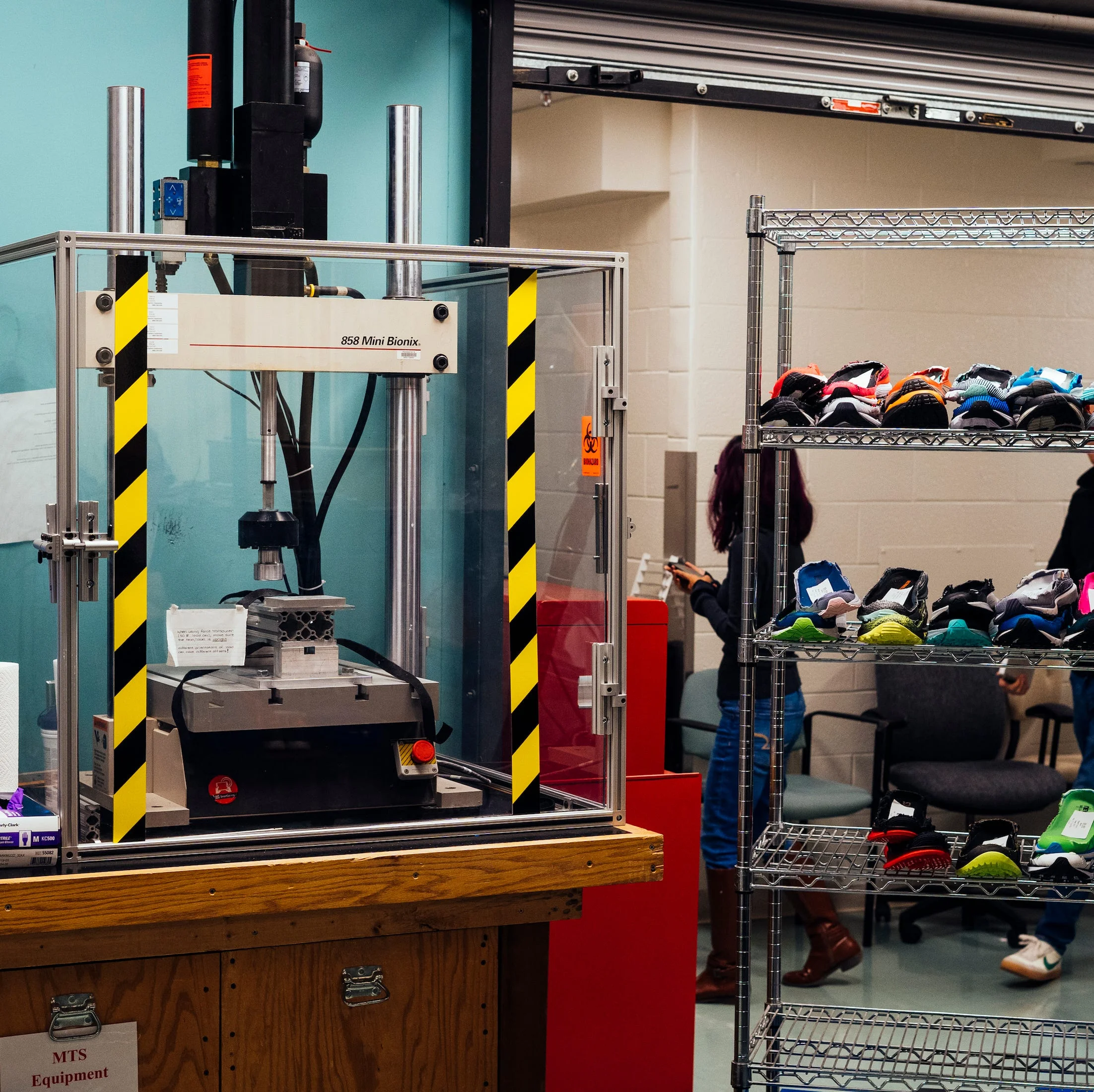
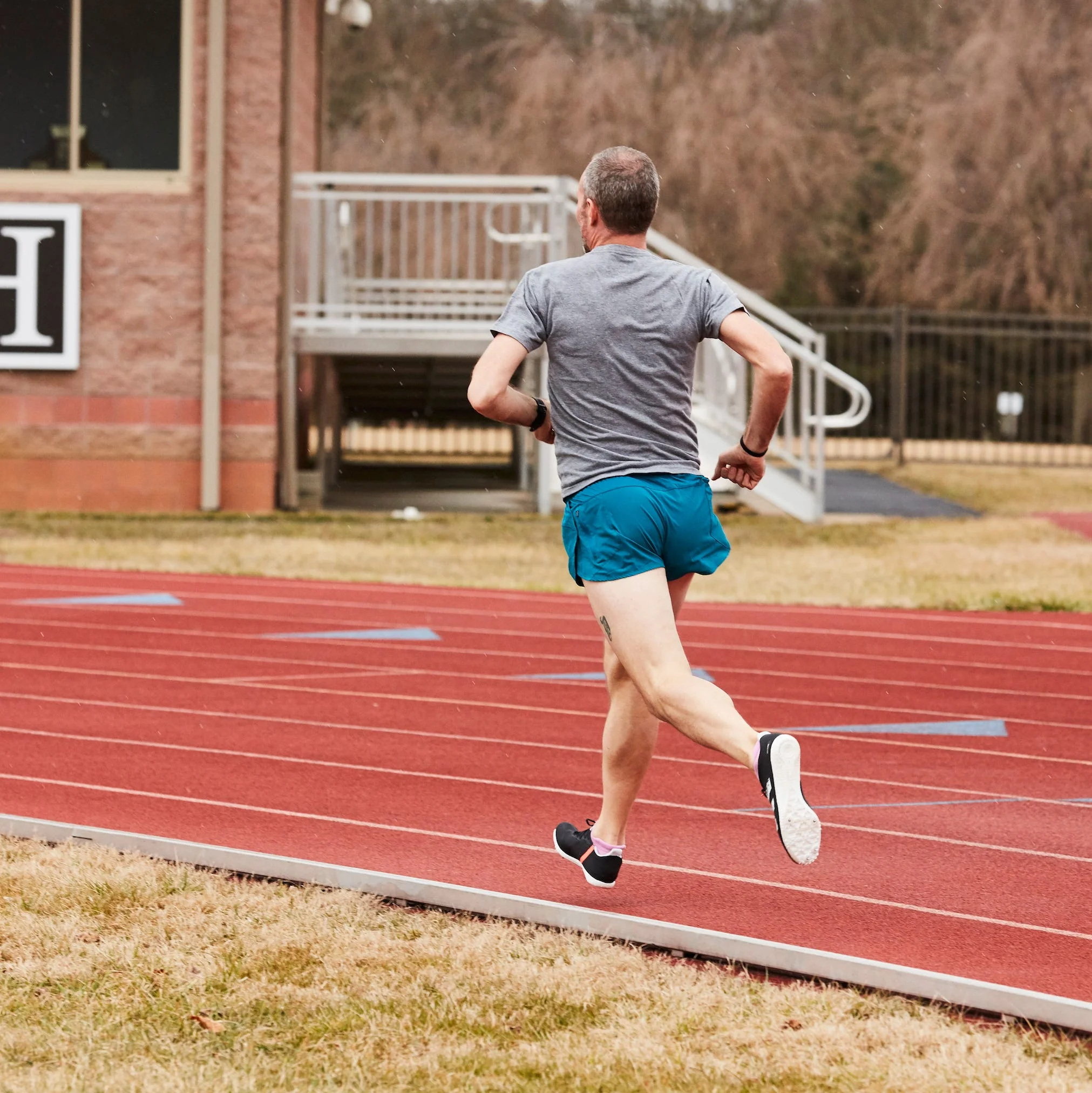
We also enlisted help from full-time running coach and former D1 collegian track-and-field standout Cory Smith, who has over a decade of shoe testing and reviewing experience, diligently testing over 100 pairs of shoes per year.
Full Reviews
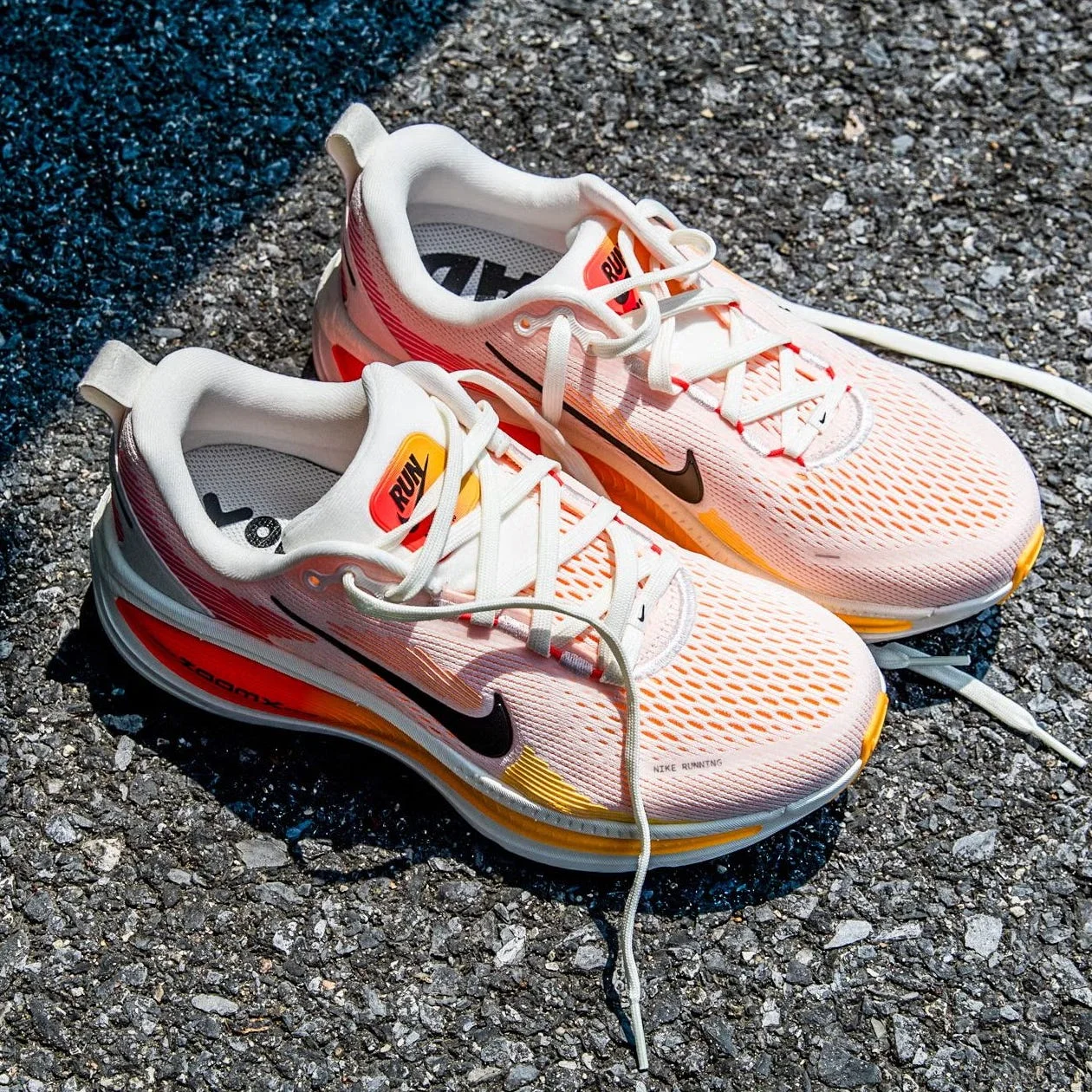
Nike Vomero 18
Pros
- Versatile daily trainer built with durability in mind
- Max cushioning at a non-max price
- ZoomX brings a little more excitement to your stride

Cons
- Nearly an ounce heavier than Vomero 17
- Testers found them a little too bulky for anything uptempo

Key Specs
| Type | Neutral road |
| Cushioning | High |
| Weight | 10.5 oz (M), 8.5 oz (W) |
| Drop | 10 mm |
| Stack Height (Heel) | 44 mm |
The soft platform and more accommodating fit of the Vomero 18 changed my perception of Nike trainers. I used to think Nike shoes were too narrow on my wide feet and that they were for the serious, semi-elite set of runners who were gifted with an efficient stride. My prejudice was called out after running in the Vomero 18, which felt more like a plush Hoka.
Beginning with the Vomero 18 and Alphafly 3, Nike listened to its women testers’ input, re-tuning the fit of its shoes for both the men’s and women’s models. Turns out the male testers liked these changes too.
The Vomero 18 has a top layer of ZoomX PEBA foam and a bottom layer of EVA-based ReactX foam. This combination—in a 44 mm stack height—not only creates a super soft sensation underfoot, it also provides a bouncy, high rebound experience. In other words, not only am I reaping the cushioned benefits of the Vomero 18 on my long runs, I’m also receiving an energizing bounce with each step.
“I really enjoyed how incredibly comfortable the Vomero 18 was,” said RW Editorial Assistant Michael McDonough. “Once the shoes were broken in, the sheer volume of cushion made longer runs much more enjoyable and pain-free. They helped me increase my mileage without hurting my feet, which has been an issue for me in the past.
“Additionally, I thought the slight rocker build was a great feature. It played enough of a role to help smooth my stride while also being subtle enough for me not to consciously notice it all the time. The shoes were also surprisingly durable and held up on trails very nicely—and the pull tab was a nice little bonus as well!”
Shop Men’s at nike.com | Shop Women’s at nike.com
Pros
- Bouncy ride
- Plush feel
- Available in multiple widths
Cons
- Bulky and heavy
- Not meant for speedwork
| Type | Neutral road |
| Cushioning | High |
| Weight | 9.6 oz (M), 7.7 oz (W) |
| Drop | 8 mm |
| Stack Height | 38 mm |
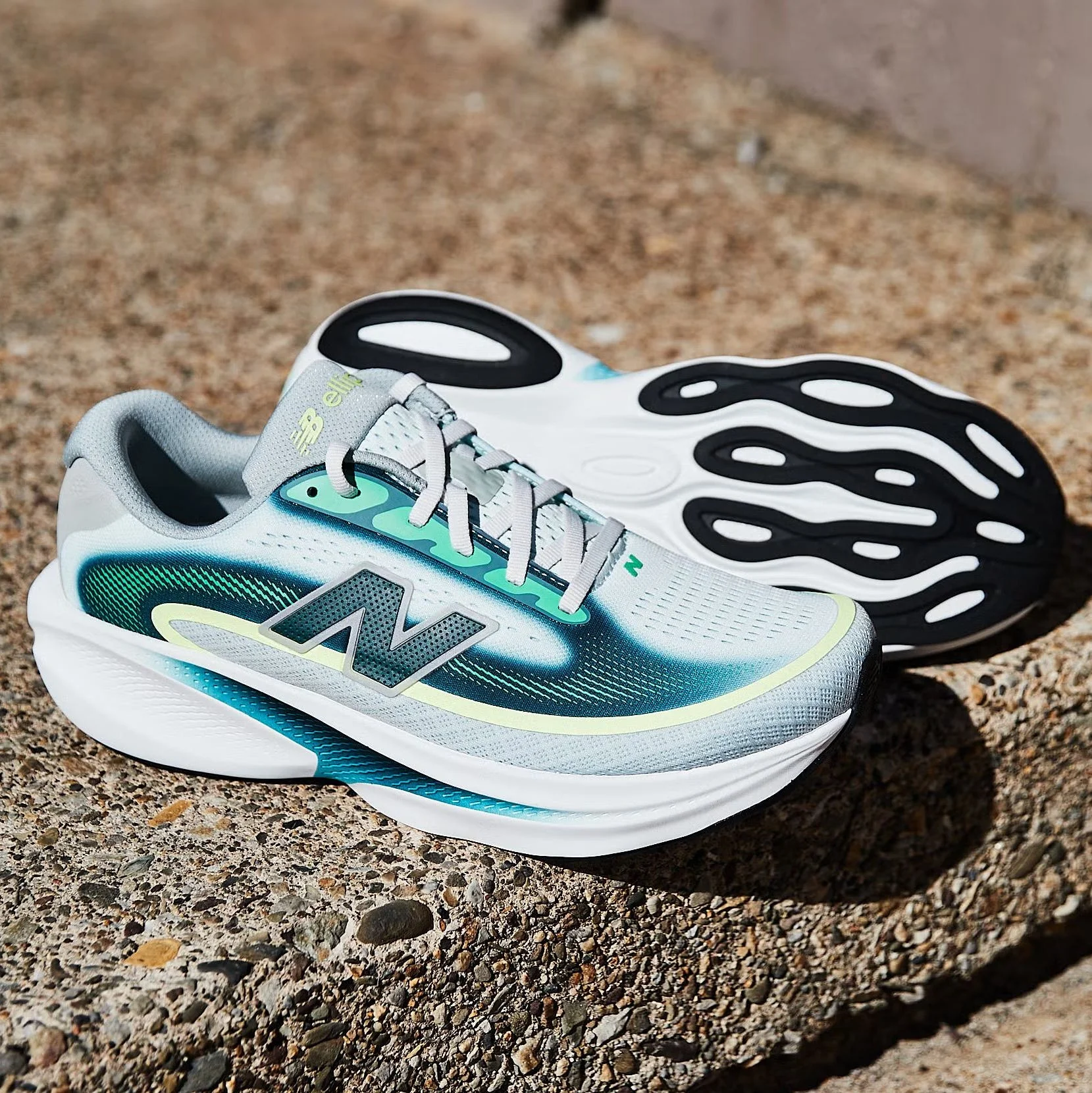
New Balance’s newest shoe, the Ellipse v1, has a trampoline-like bounce with a dialed-in Fresh Foam X midsole. The familiar foam has new geometry to promote a springier step.
The shoe is made to match the communal aspect of our sport—what better way to endure long mileage on the road? The Ellipse v1 is primed for those why-not runs, group runs, long runs, and recovery runs. You could try speedwork, but the shoe’s a tad bulky for pushing the pace.
Don’t expect running in the Ellipse v1 to be a slog, however. Our testers found the ride very smooth, “like running with a strong wind at your back except the extra momentum is coming from the ground,” said one.
“I like the foam,” said RW Director of News Andrew Daniels. “Some of the shoes I ran in most recently feel more firm than these, like a gym mat. This isn’t super sponge-y, but more in that sweet spot of just-right firm and just-right squishy, where it stays pretty bouncy for most of the run and provides good cushioning on the landings.”
Shop Men’s at newbalance.com | Shop Women’s at newbalance.com
New Balance Ellipse Review
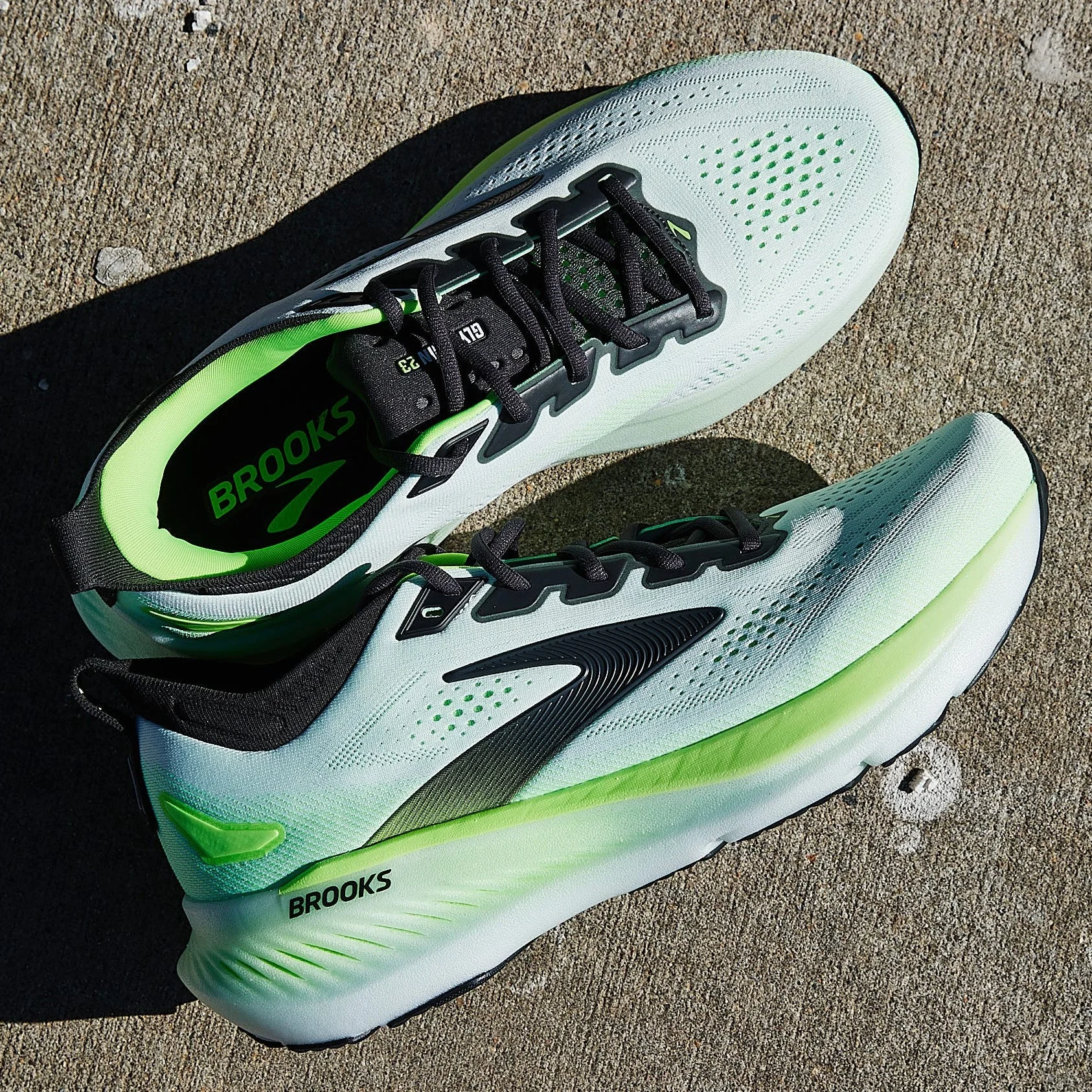
Brooks Glycerin 23
Pros
- Added cushioning in the forefoot provides balanced, supportive ride
- DNA Tuned foam is responsive and durable
Cons
- A touch heavy compared to standard daily trainers

Features at a Glance
| Type | Neutral road |
| Cushioning | High |
| Weight | 10.6 oz (M), 8.7 oz (W) |
| Drop | 8 mm |
| Stack Height (Heel) | 38 mm |
The first run I took on the Glycerin 23 was a long run. This shouldn’t be a momentous occasion; after all, the Glycerin is an obvious choice for logging miles upon miles of training, but here’s my confession: Up until that point, I was doing my long runs in mostly super shoes or super trainers. While there’s not enough research to condemn running in carbon-plate shoes on the regular, I still feel a little guilty when I wear them out on the rolling hills of my town instead of in their true element: a marathon.
With all that said, the switch to the Glycerin 23 proved beneficial in several ways. As expected, the shoes felt cozy on my feet with their padded tongue, collar, and accommodating fit throughout the midfoot. The soft but firm max-cushioning, while not as peppy as super foam, saved my legs for the next day’s workout. And I didn’t feel as worn down post-long run during the week that followed. That’s a lot of credit to put on a pair of shoes, but considering how the impact of running on your feet equates to approximately two to four times your body weight—you’ve gotta hand it to your trainers for supporting you every step of the way.
The shoe is updated with DNA Tuned midsole foam, which is lighter and bouncier than the Glycerin 22’s DNA Loft v3.
“The Glycerins were a great blend of softness and response for my longer runs and at the same time I still felt quick in them for midweek tempo runs,” said tester Jeff Miles. “They are truly a great balance of both. Responsive but comfortable at the same time.”
Shop Men’s at brooksrunning.com | Shop Women’s at brooksrunning.com
Pros
- SCF midsole enhances ride with more rebound and comfort
- More shock absorption than CMEVA foam
- Secure fit
Cons
- SCF midsole isn’t as responsive as PEBA, TPEE, TPU foams
- Slightly narrower in the midfoot
Key Specs
| Type | Neutral road |
| Cushioning | Max |
| Weight | 10.4 oz (M), 8.5 oz (W) |
| Drop | 8 mm |
| Stack Height (Heel) | 42 mm (M), 38 mm (W) |
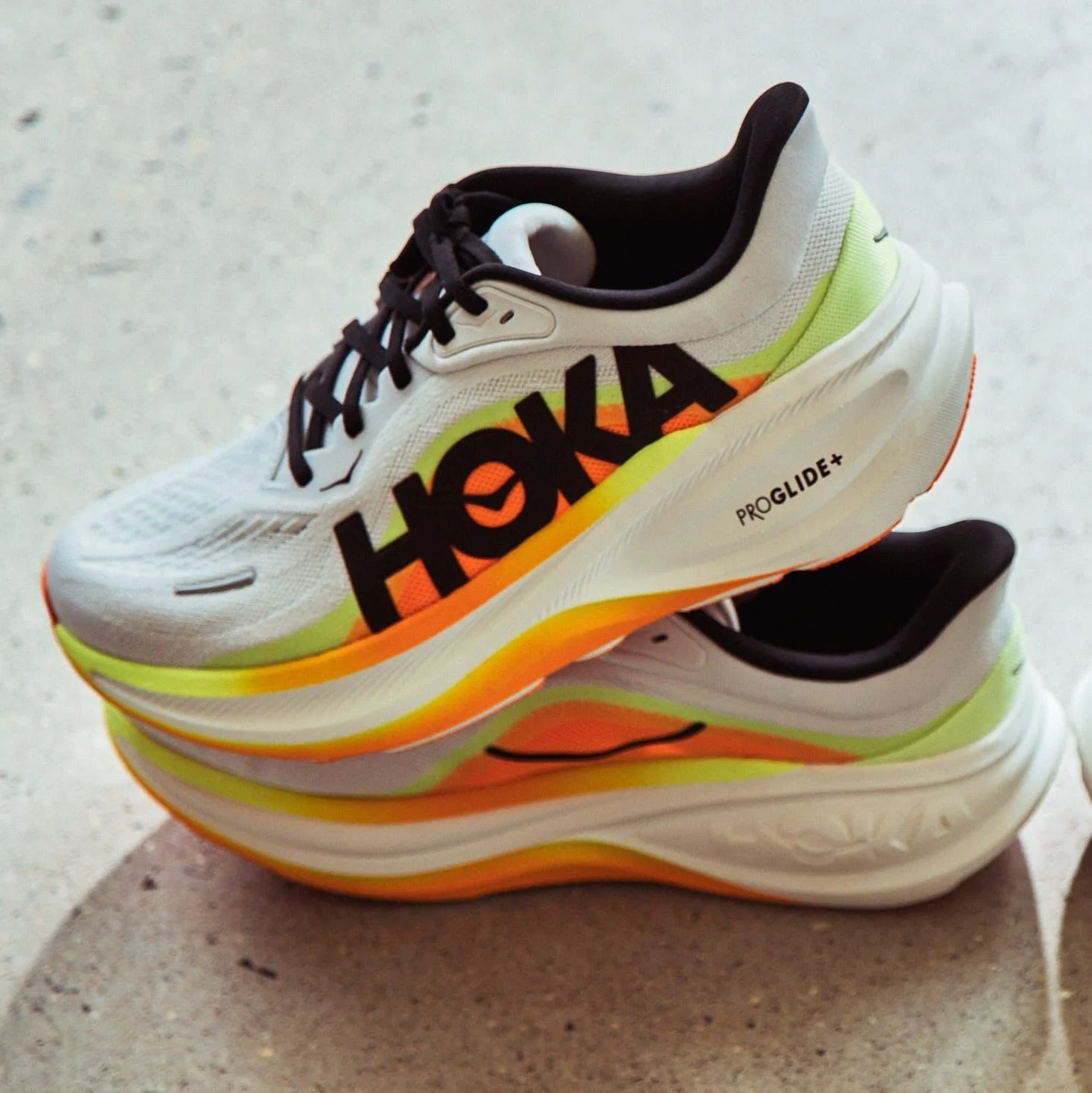
Hoka released two Cliftons: the Clifton 11 and Clifton Pro. Where the Clifton 11 serves as a dependable daily trainer and recovery shoe, the Clifton Pro is meant to enhance your runs with denser foam that cushions hard, fast-paced workouts.
Supercritical foam provides that Hoka plushness with some added flair. An aggressive Meta-Rocker promotes smoother, quicker heel-to-toe transitions so speedy, long workouts can feel like a breeze. It’s why we choose this Clifton as the Best Cushioned Ride Long-Distance Shoe; think of the Clifton Pro as an optimized daily trainer meant for high performance.
Even though ProGlide+ is EVA-based, and comparably not as responsive as super foams, it still helps you cruise mile after mile after mile of a long run.
Shop Men’s at hoka.com | Shop Women’s at hoka.com
Pros
- Lightweight yet plush cushioning
- Responsive ride for all kinds of workouts
Cons
- Some testers wanted a gusseted tongue for a securer fit
Features at a Glance
| Type | Neutral road |
| Cushioning | High |
| Weight | 9.4 oz (M), 7.3 oz (W) |
| Drop | 6 mm |
| Stack Height (Heel) | 36 mm |
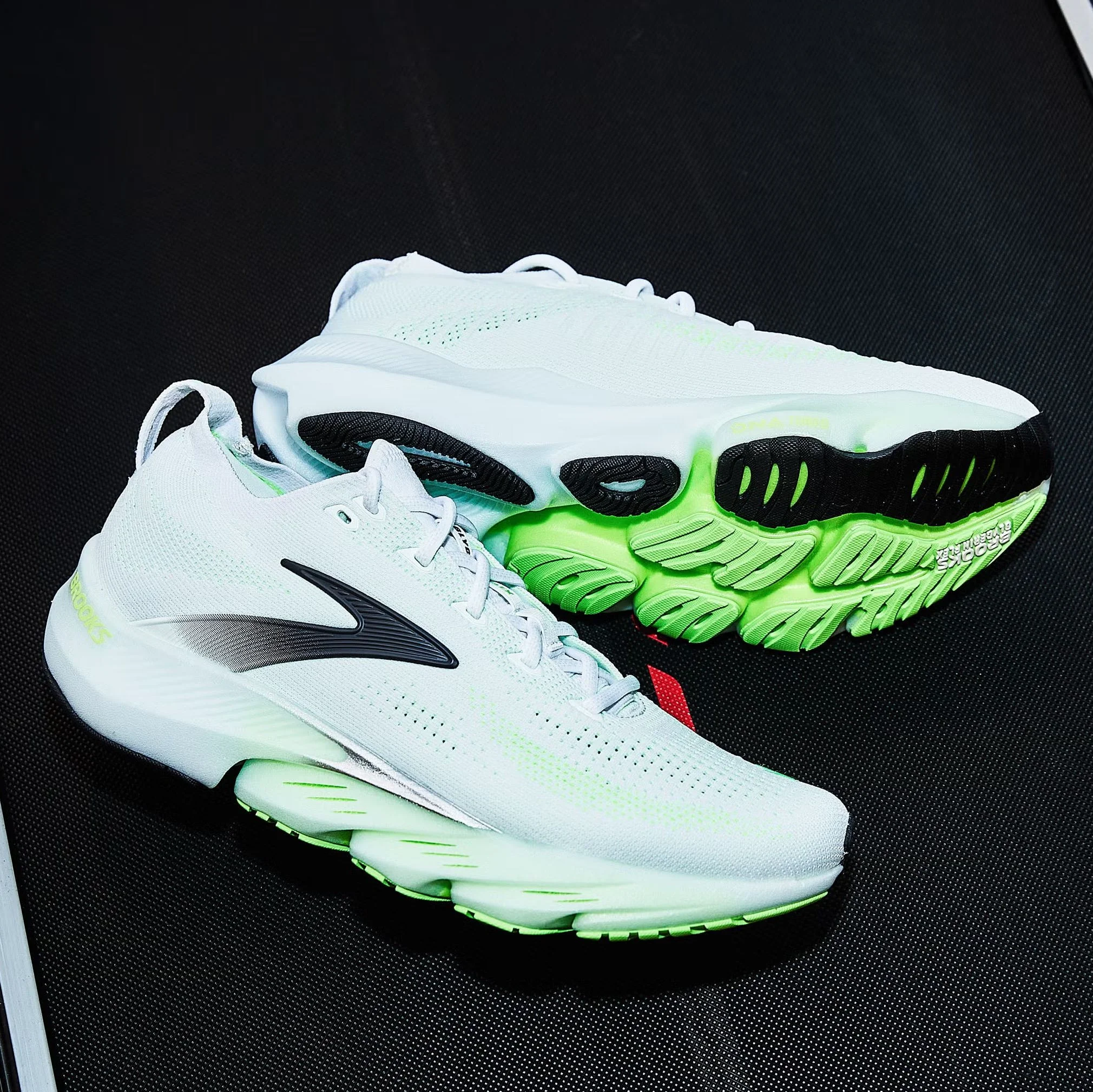
The Glycerin Flex is the shoe for runners like me who kinda miss the minimalist fad back in the 2010s. Hark back to those days when marathon shoes were basically racing flats and Brooks introduced its PureProject minimalist trainer line. I’ll admit, I experienced minor issues, like shin splints and plantar fasciitis, but I still miss those pre-super shoe racing days when you just went for it without the bells and whistles we have today…
Ahem, well, anyway, the Glycerin Flex isn’t exactly like a PureProject shoe. It has 36 mm of cushioning underfoot and plush DNA Tuned foam that’s bouncy, soft, and way more durable than Brooks’s now-retired premium BioMoGo DNA foam (R.I.P.). And—it has a midfoot Flex Zone. The slightly decoupled heel and forefoot allow runners to have control with their form instead of being hindered by stiff, connected construction found in your usual neutral, cushioned trainer.
I gave a pair to Director of Hyper Aly Ellis, who fell in love with the Glycerin Max, Brooks’s most cushioned trainer. I’m proud to say—and Brooks should take pride too—that the Glycerin Flex has taken on the role of Ellis’s workout/office trainer.
Tester Katie Vuong was also a fan of the shoe: “The Brooks Glycerin Flex strikes an effective balance between lightweight construction, plush cushioning, flexible midsole, comfortable fit, and outsole durability, making it well suited as an everyday trainer. The shoe transitions easily from running to gym sessions and daily wear. I especially appreciate the padded heel, which surrounds the back of my foot like a pillow while still holding it securely in place.”
Shop Men’s at brooksrunning.com | Shop Women’s at brooksrunning.com

Pros
- Soft midsole foam
- Midfoot accommodates wide feet
- Available in wider widths
- Plush breathable upper
Cons
- Slightly heavier than standard daily trainers
Key Specs
| Type | Stability road |
| Cushioning | High |
| Weight | 8.9 oz (M), 7.7 oz (W) |
| Drop | 6 mm |
| Stack Height (Heel) | 35 mm |
The Guide 19 handles stability like a pro over long stretches of time on the road. I had this pair in my marathon training rotation of shoes and appreciated the supportive Pwrrun foam and CenterPath tech that helped with alignment when my form got sloppy from fatigue.
The plush midsole, higher sidewalls for a secure fit, and wider base all help with overpronation. The broad platform also accommodates feet during swelling from constant pavement-pounding.
“I rate the shoe a 7 out of 7 for its strong comfort, support, and cushioning, and the fact that it had no major weaknesses,” said shoe tester Dave Block. “I was lucky enough to test this shoe’s predecessor, the Saucony Guide 18, and I enjoyed that shoe immensely for the same reasons. But I think this model has even more cushioning and softness. I’d put this one in the top 10 percent of the shoes I’ve tested for Runner’s World.”
Shop Men’s at saucony.com | Shop Women’s at saucony.com
Pros
- Vibram Megagrip outsole provides good traction
- Cushioning absorbs impact
Cons
- Laces became loose when tied
Features at a Glance
| Type | Neutral trail |
| Cushioning | High |
| Weight | 9.5 oz (M), 8.4 oz (W) |
| Drop | 4 mm |
| Stack Height (Heel) | 32 mm |
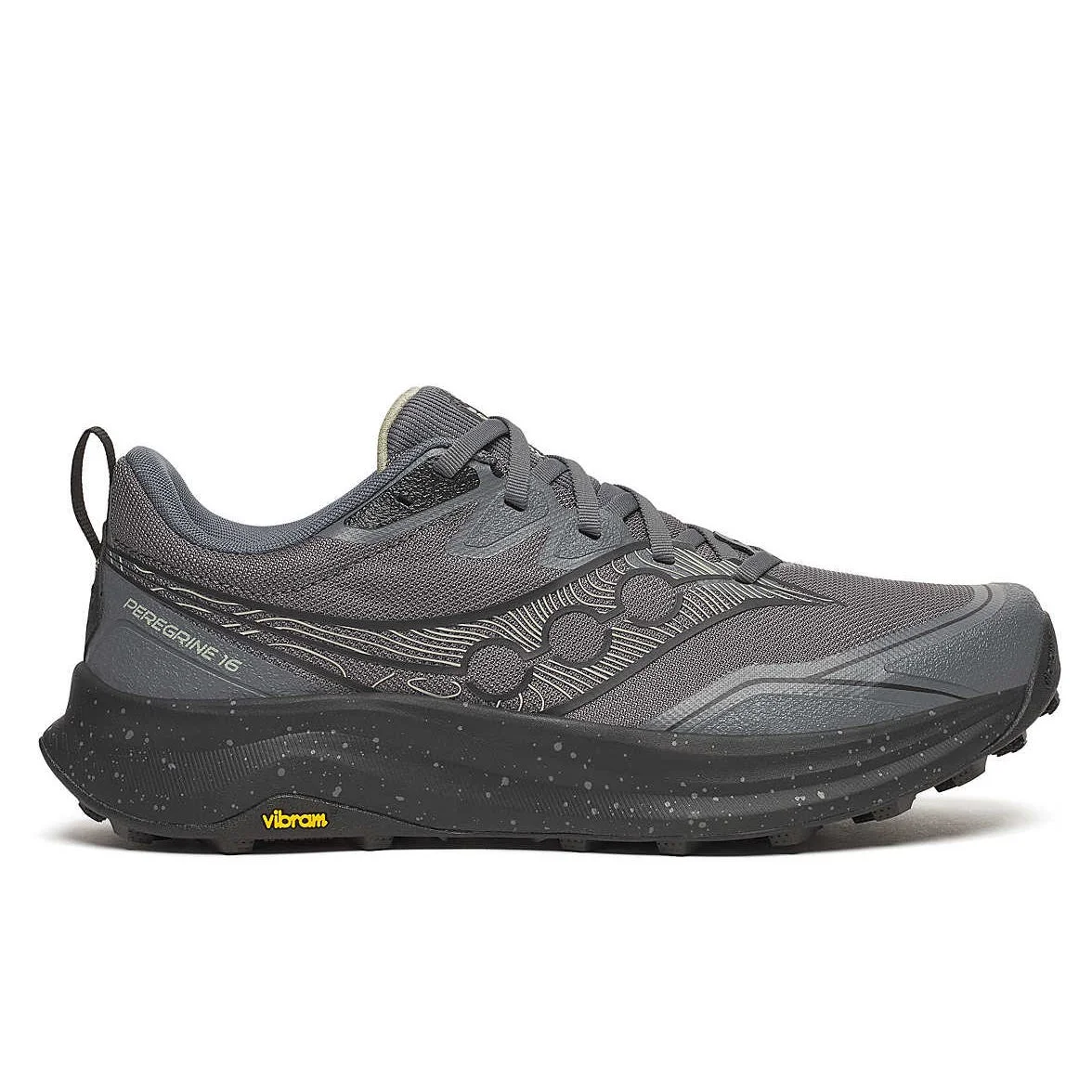
The Peregrine is a Saucony legacy for its road shoe-like comfort. The trainer can take on all terrain but isn’t stiff and bulky like other technical trail models.
The Peregrine 16 has a high-strength mesh upper with a D-ring for attaching a gaiter. A Vibram Megagrip with 4mm lugs provides incredible traction over slick rocks and loose mud on the trail. The forefoot toe sweep offers anti-stub protection. Finally, Saucony enhanced the Pwrrun midsole foam for a cushier ride.
“I LOVE this shoe!” said tester Diane Grim. “Lightweight, super comfortable, responsive, deep Vibram lugs, I can’t say enough about this shoe. The forefoot twist just a tad stiff but after they started to break in, super conforming to trail surfaces. Huge notice to sharp rocks: you felt them as pressure but not as a sharp jab due to cushioning in the sole. The midsole felt spongy but firm; my legs didn’t get tired after a long run.”
Shop Men’s at saucony.com | Shop Women’s at saucony.com
What to Consider
With Running Coach Cory Smith
Q+A With Our Expert

Amanda Furrer, Editor, Running Reviews, studied journalism at NYU and writing at Emerson College. She has reviewed gear and covered other topics in the running space for almost 10 years. Since 2013, she has consecutively run the Boston Marathon. She also has a master’s degree in gastronomy from Boston University and was formerly a professional baker for two years before hanging up her apron.

Cory Smith is a running coach and journalist specializing in running and fitness-related content and gear reviews. He is the founder of Run Your Personal Best, an online running coaching business that has helped hundreds of runners achieve personal bests in distances ranging from 800 meters to 100 miles. Cory holds a USA Track & Field Level 1 and 2 Endurance Certification and was the former Head Cross Country/Track Coach at Penn State Brandywine. Over his running career, Cory has held three Maryland state records, was a two-time National Championship qualifier while at Villanova University, and holds personal bests of 4:03 in the mile and an 8:05 in the 3K.

Cat Bowen, senior editor of commerce; reviews, is a seasoned runner with more than 20 years of distance running experience, including dozens of marathons, half marathons, and even a few ultra marathons. For over a decade, she has tested parenting, fitness, home, and running gear and written in-depth guides to help readers with their next purchase. Holding multiple advanced degrees and currently studying kinesiology, Cat Bowen brings research-backed insight to all of her guides. Passionate about women’s health and neurodivergent inclusion, she advocates for closing research gaps and helping others—especially AudHD people—find joy in running and fitness.
